Hospital Plumbing System Upgrade: Legionella Compliance with Zero Water Service Interruption
200
Units Serviced
22%
Time Saved
$110,000
Cost Savings
🔧 The Challenge
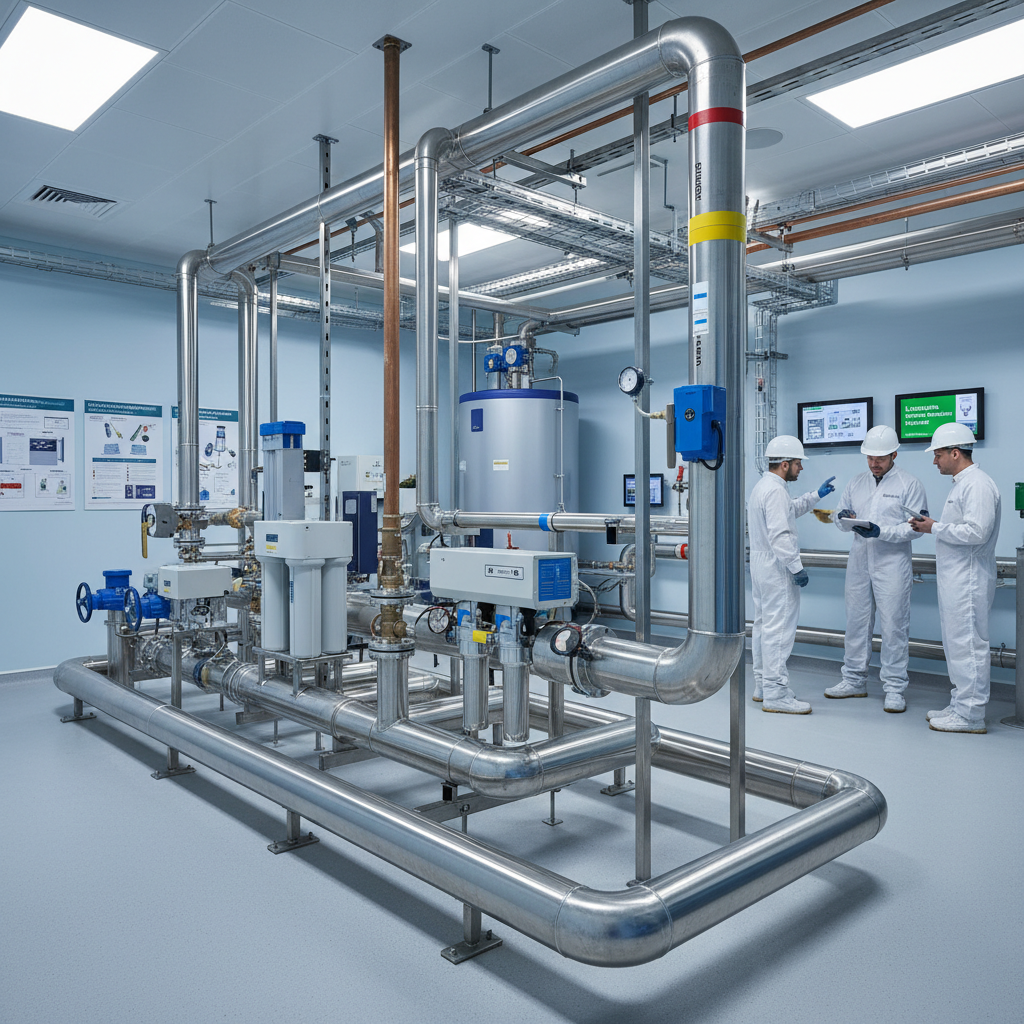
The hospital's 30-year-old domestic water system had experienced 7 major leaks in the past year, causing water damage and patient room closures. ASHRAE 188 Legionella risk assessment mandated a comprehensive water management plan. All work had to maintain water service to critical areas including surgical suites, ICU, and emergency department. Infection control protocols required dust containment, negative air pressure in construction zones, and daily environmental monitoring.
💡 Our Solution
Auxi Services designed a phased approach using temporary bypass piping systems that maintained continuous water service. Each wing was isolated, upgraded, tested, and reconnected before moving to the next. All construction followed ICRA (Infection Control Risk Assessment) Class IV protocols with HEPA filtration, negative pressure, and daily air monitoring. New piping included a copper re-pipe with point-of-use filtration and a digital water management system for Legionella monitoring. All work was performed during low-occupancy periods.
✅ The Outcome
Complete water system replaced in 14 weeks with zero water service interruptions. All Legionella compliance requirements met. Zero infection control incidents. Hospital passed Joint Commission inspection on first attempt. Water leak incidents eliminated entirely. Annual maintenance costs reduced by $45,000. Project completed $110,000 under budget through efficient phasing.
Project Photos

"In a hospital, you can't just shut off the water. Auxi engineered a bypass system that kept every patient room, every surgical suite, and every emergency bay running water throughout the entire 14-week project. Their infection control protocols were hospital-grade. Exceptional work."
— Dr. Amara Okafor, Chief Facilities Officer, Riverside Regional Medical Center
Project Details
AI-Powered Analysis
Our AI analyzed this project's results to surface key takeaways and actionable recommendations.
Optimized Phasing Maximizes Capital Expenditure Efficiency
By implementing a strategic phased approach, we successfully reduced project expenditures by $110,000 against the initial budget. Furthermore, eliminating recurring leak incidents resulted in a $45,000 annual reduction in operational maintenance costs.
Accelerated Infrastructure Upgrades Without Operational Downtime
The use of temporary bypass systems allowed for continuous water service to critical healthcare zones while completing 200 unit upgrades. This methodology secured a 22% improvement in timeline efficiency while maintaining strict adherence to safety standards.
Integrate ICRA Protocols into Proactive Infrastructure Planning
Healthcare facilities should prioritize proactive water management planning rather than waiting for component failure to trigger maintenance. Aligning construction schedules with infection control risk assessments early prevents costly emergency interventions and ensures seamless compliance audits.
AI-generated analysis for reference only. Contact our team for a tailored operational assessment.
Case Study — FAQs
Common questions about this type of project.