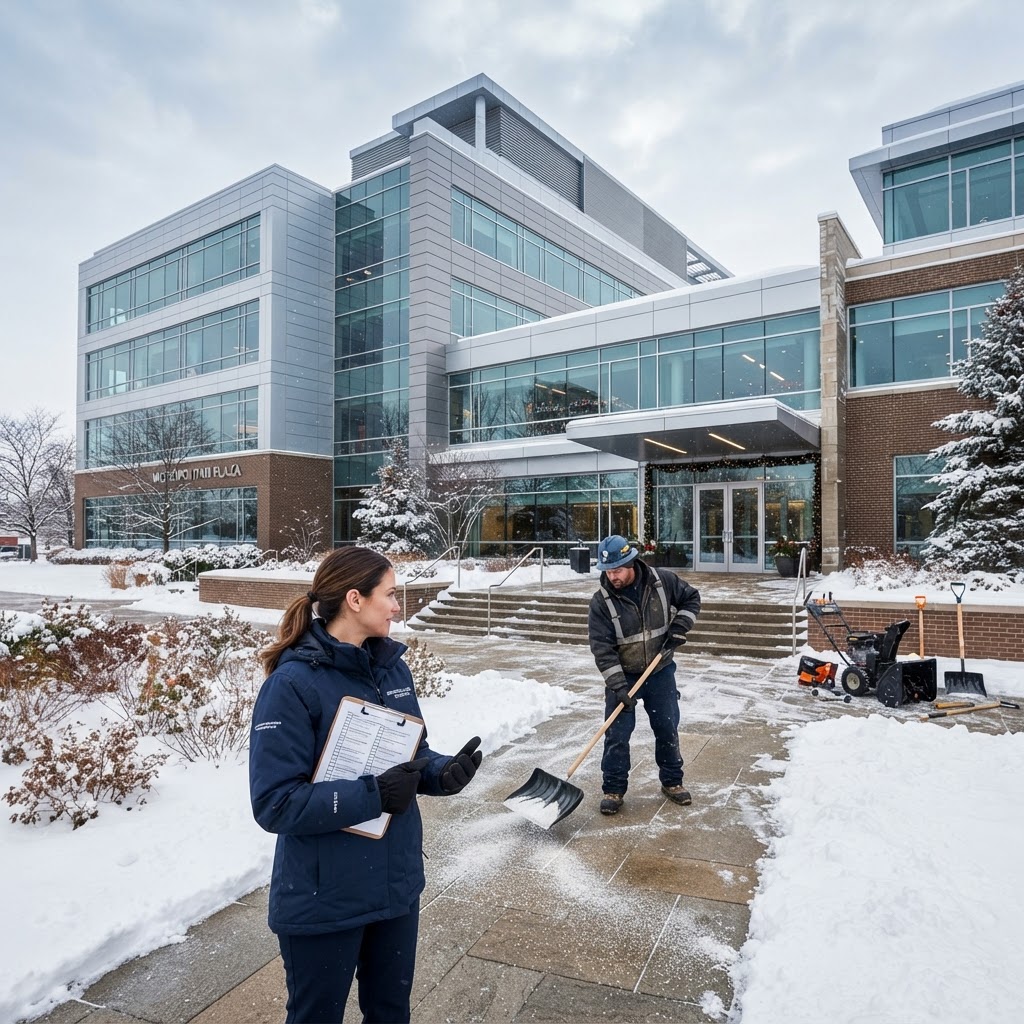
Winter Property Maintenance Checklist: Preparing Buildings for Cold Weather
Winter weather causes billions of dollars in property damage annually. Frozen pipes, ice dams, roof collapses, and heating failures are preventable with proper preparation.
Why Winter Maintenance Matters
Cost of Winter Damage
- Frozen pipe burst: $5,000 to $70,000+ in water damage per incident
- Ice dam damage: $2,000 to $15,000 in roof and interior damage
- Roof collapse from snow: $50,000 to $500,000+ in structural damage
- Heating system failure: $2,000 to $10,000 in emergency repairs
- Slip and fall on ice: $10,000 to $100,000+ in liability claims
Over 80 percent of winter property damage can be prevented with proper preparation completed before the first hard freeze.
Fall Preparation Checklist (September–October)
Heating System
- Schedule professional furnace/boiler inspection
- Replace or clean HVAC filters
- Test heating system operation
- Check thermostat operation and battery
- Inspect heat exchanger for cracks
- Test carbon monoxide detectors
- Clean and inspect chimneys and flues
- Check fuel supply (oil, propane deliveries)
Plumbing Freeze Protection
- Insulate exposed pipes in unheated areas
- Seal gaps and cracks where pipes enter the building
- Disconnect and drain outdoor hoses
- Install faucet covers on outdoor spigots
- Shut off and drain irrigation systems
- Identify and label main water shut-off valve
- Insulate water heater (if in unheated area)
- Check sump pump operation
Roof and Gutters
- Clean all gutters and downspouts
- Check for loose or damaged shingles
- Inspect flashing around chimneys, vents, and skylights
- Check roof for sagging or structural issues
- Trim overhanging branches
- Check attic insulation levels
- Verify attic ventilation (prevents ice dams)
Exterior
- Inspect siding for damage or gaps
- Caul windows and doors
- Check weatherstripping on doors and windows
- Install storm windows (if applicable)
- Check exterior paint for peeling
- Inspect foundation for cracks
- Seal driveway and walkway cracks
Windows and Doors
- Check window operation
- Replace damaged weatherstripping
- Install door sweeps on exterior doors
- Caul around window and door frames
- Check for drafts and seal
Winter Monitoring Checklist (November–March)
Daily During Cold Snaps
- Monitor weather forecasts for freeze warnings
- Ensure heating systems are running
- Check for ice dam formation on roofs
- Monitor for frozen pipes (low water pressure)
- Check for snow accumulation on flat roofs
- Clear snow from walkways and exits
- Apply ice melt to slippery areas
After Major Storms
- Inspect roof for damage
- Check for ice dam formation
- Clear snow from roof if accumulation exceeds safe levels
- Check for water intrusion
- Inspect trees for storm damage
Ice Dam Prevention
What Causes Ice Dams
Ice dams form when warm air escapes into the attic, melting snow on the roof. The melted water flows to the colder eaves and refreezes, creating a dam that traps water behind it.
Prevention
- Ensure adequate attic insulation (R-38 to R-49 minimum)
- Verify proper attic ventilation (soffit and ridge vents)
- Seal air leaks from living space to attic
- Check that bathroom and kitchen exhaust fans vent outside
- Install heat cables in problem areas
- Remove snow from roof edges after heavy snowfall
Frozen Pipe Prevention and Response
Prevention
- Keep thermostat at minimum 55°F (even in vacant units)
- Open cabinet doors under sinks
- Let faucets drip during extreme cold
- Insulate all exposed pipes
- Seal gaps where pipes enter building
- Use heat tape on vulnerable pipes
Signs of Frozen Pipes
- No water flow when faucet is opened
- Frost visible on exposed pipe
- Strange smell from drain or faucet
If Pipes Freeze
- Do not use open flame to thaw
- Use hair dryer, heat lamp, or space heater on low setting
- Open faucet to allow water to escape as it thaws
- Check for cracks or leaks as pipe thaws
- If pipe has burst, shut off water immediately
- Contact licensed plumber
Roof Snow Load Management
Safe Snow Load Limits
- Flat roof: 20 to 30 pounds per square foot
- Sloped roof: 30 to 40 pounds per square foot
- Fresh snow: 10 inches = approximately 5 lbs/sq ft
- Packed snow: 5 inches = approximately 5 lbs/sq ft
- Ice: 1 inch = approximately 5 lbs/sq ft
When to Remove Snow
- More than 2 feet of accumulated snow
- Ice buildup of 2+ inches
- Signs of structural stress (sagging, creaking)
Vacant Property Winterization
Full Winterization (Vacant Units)
- Turn off main water supply
- Drain all water lines
- Blow out lines with air compressor
- Add antifreeze to all P-traps
- Drain water heater
- Drain toilet tanks and bowls; add antifreeze
- Disconnect washing machine supply lines
- Set thermostat to 55°F minimum (if utilities active)
- Post winterization notice
- Check periodically throughout winter
How Auxi Services Can Help
Auxi Services provides comprehensive winter preparation services including heating system inspection and maintenance, plumbing freeze protection and winterization, roof inspection and ice dam prevention, gutter cleaning, snow removal and ice management, emergency response for winter damage, and vacant property winterization. Contact Auxi Services for winter maintenance preparation.