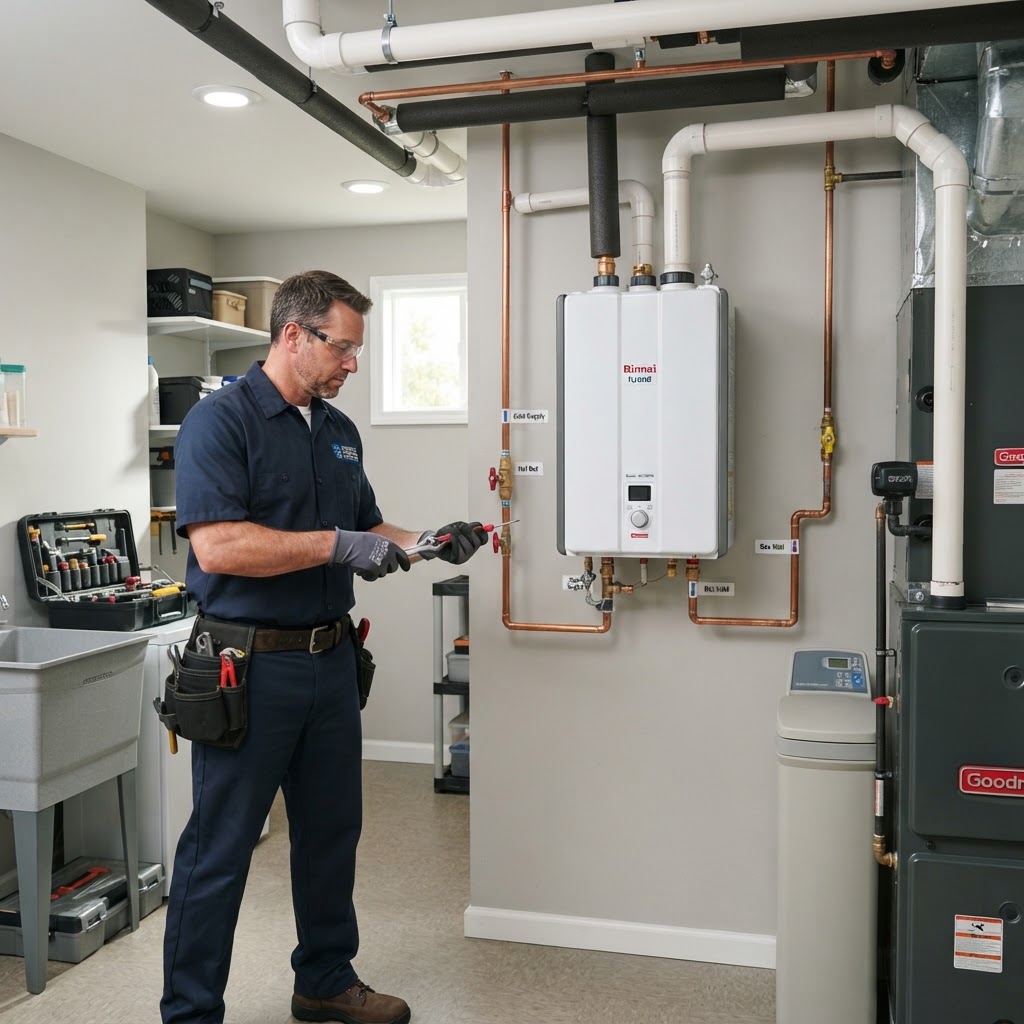
When to Replace vs Repair Your Water Heater
Water heater failure is one of the most common causes of property water damage. A failed tank can release 40 to 80 gallons of water, damaging floors, walls, and belongings. Knowing when to repair and when to replace can save you thousands in damage and prevent the disruption of cold showers.
Average Water Heater Lifespan
- Traditional tank water heater: 8 to 12 years
- Tankless water heater: 15 to 20+ years
- Heat pump water heater: 10 to 15 years
Most tank water heaters fail between 10 and 12 years. If yours is in this range, replacement is usually the better investment.
Signs You Need to Replace
Age
If your water heater is over 10 years old, replacement is usually more cost-effective than major repairs. Check the serial number on the manufacturer's label to determine the age. The first letter typically indicates the month and the next two digits indicate the year.
Rusty or Discolored Water
If hot water comes out rusty or brown, the tank is likely corroding from the inside. This is irreversible — the tank will eventually leak. Replace before it fails.
Rumbling or Banging Noises
Sediment builds up in the bottom of the tank over time. When heated, this sediment hardens and causes rumbling or banging. This reduces efficiency and damages the tank bottom. If flushing does not resolve the noise, replacement is needed.
Water Around the Base
Any water pooling around the base of the water heater indicates a tank leak or valve failure. A leaking tank cannot be repaired — it must be replaced immediately before catastrophic failure.
Insufficient Hot Water
If your water heater suddenly cannot keep up with demand, the heating element may be failing, or sediment buildup may be reducing capacity. In older units, replacement is usually more cost-effective than multiple component replacements.
Rising Energy Bills
An aging water heater loses efficiency. If your energy bills are increasing without another explanation, the water heater may be working harder to heat the same amount of water.
When Repair Makes Sense
Repair is worth considering if:
- The unit is under 8 years old
- The repair is minor (thermostat, heating element, pressure relief valve)
- The cost of repair is less than 30 percent of replacement cost
- The unit is still under warranty
- You are planning to sell the property soon
Common Repairs and Costs
- Thermostat replacement: $150 to $300
- Heating element replacement: $150 to $400
- Pressure relief valve: $100 to $200
- Anode rod replacement: $100 to $250
- Drain valve replacement: $100 to $200
- Pilot light/igniter repair (gas): $150 to $350
Replacement Costs
- Traditional tank (40-50 gallon): $1,000 to $2,500 installed
- Traditional tank (75-100 gallon): $1,500 to $3,500 installed
- Tankless (whole house): $2,500 to $5,500 installed
- Heat pump water heater: $2,000 to $4,500 installed
- Commercial water heater: $3,000 to $8,000+ installed
Choosing a Replacement
Traditional Tank
Best for:
- Budget-conscious replacement
- Properties with moderate hot water demand
- Simple installation with existing infrastructure
Tankless
Best for:
- Properties with limited space
- High hot water demand (continuous supply)
- Energy efficiency priorities (20-30 percent more efficient)
- Long-term ownership (15-20 year lifespan)
Heat Pump Water Heater
Best for:
- Properties in warm climates (uses ambient heat)
- Energy efficiency priorities (2-3 times more efficient than traditional)
- Properties with adequate ventilation
Preventive Maintenance
Extend water heater life with annual maintenance:
- Flush the tank to remove sediment buildup
- Test the pressure relief valve
- Inspect the anode rod and replace if depleted
- Check for leaks and corrosion
- Adjust thermostat to 120 degrees (prevents scalding and saves energy)
Install a Drain Pan
If your water heater is inside the living space, install a drain pan underneath with a pipe to the exterior. This simple addition can save thousands in water damage if the tank fails.