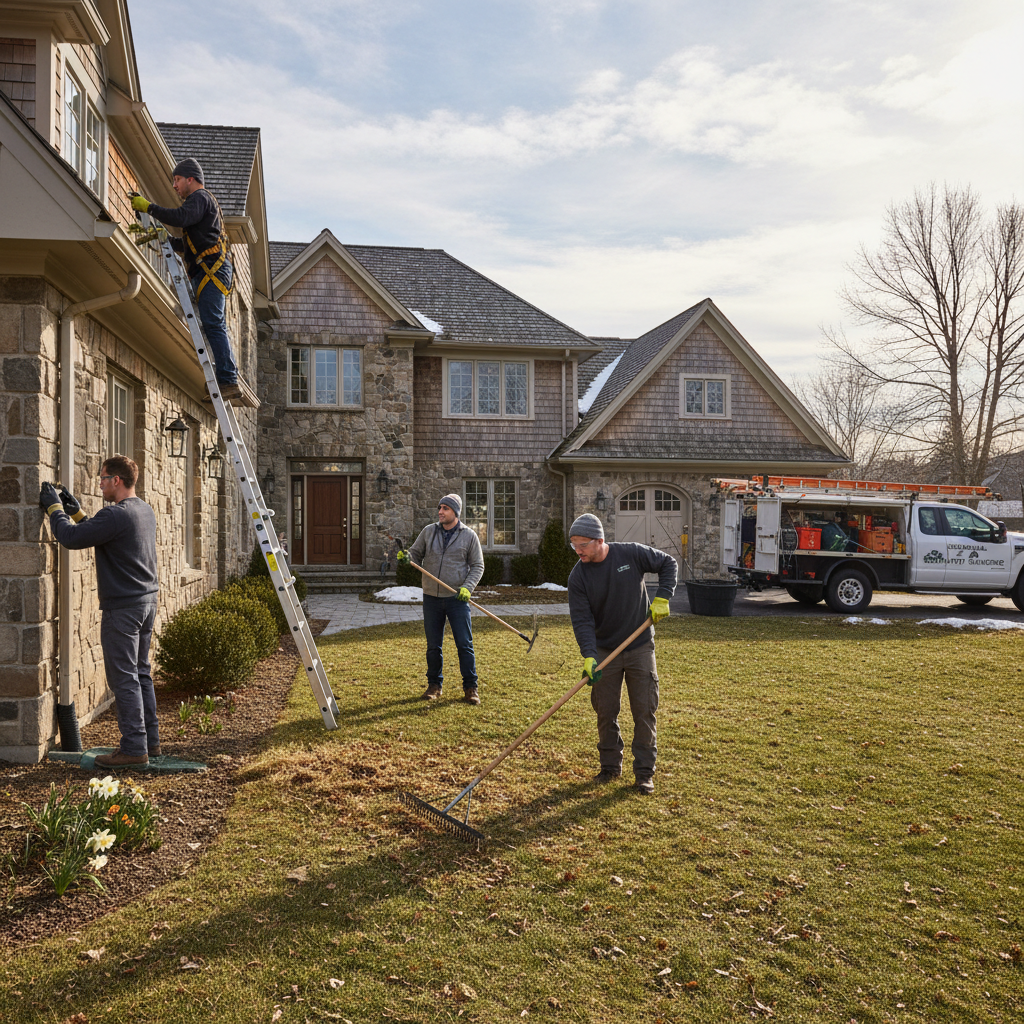
Seasonal Property Maintenance Calendar for Vacant Properties
Vacant properties don't maintain themselves — and the maintenance they need changes dramatically with the seasons. A property that's perfectly preserved in summer can suffer catastrophic damage in winter if seasonal transitions aren't managed properly. For lenders, servicers, and institutional owners, a seasonal maintenance calendar is essential for protecting asset value year-round.
This guide provides a month-by-month maintenance calendar for vacant properties, with specific tasks for each season.
Why Seasonal Maintenance Matters
The Seasonal Risk Cycle
Each season brings specific risks to vacant properties:
- Winter: Frozen pipes, ice dams, snow load on roofs, heating system failures
- Spring: Water intrusion from snowmelt and rain, mold growth, pest infestations, landscape overgrowth
- Summer: Heat damage, HVAC strain, pest activity, landscaping peaks, storm damage
- Fall: Gutter clogging, pipe preparation, winterization, leaf accumulation
The Cost of Seasonal Neglect
Failing to adapt maintenance to the seasons leads to predictable failures:
- Unwinterized properties — Burst pipes causing $10,000-$50,000 in water damage
- Unmaintained gutters — Ice dams causing roof leaks and interior damage
- Spring water intrusion — Undetected leaks causing mold growth that can cost $5,000-$20,000 to remediate
- Summer pest infestations — Termite or rodent damage that can compromise structural integrity
- Fall neglect — Properties entering winter unprepared, leading to winter damage
Month-by-Month Maintenance Calendar
January-February (Peak Winter)
Priority Tasks:
- Verify winterization integrity (mid-winter inspection)
- Check for frozen pipes and ice dams
- Verify heating systems are functioning (if wet winterization)
- Snow removal from walkways and driveways (code compliance)
- Emergency response for any freeze events
- Monitor for water intrusion from ice dams
Inspection Focus:
- Interior temperature verification
- Plumbing system integrity check
- Roof condition (ice dam inspection)
- Window and door seal verification
- Moisture detection in basements and crawl spaces
March-April (Winter Transition)
Priority Tasks:
- Comprehensive post-winter inspection
- Check for winter damage (frozen pipes, ice dam damage, roof damage)
- Begin snow removal equipment storage
- Inspect and clean gutters and downspouts
- Check sump pump operation
- Begin lawn restoration
- De-winterize plumbing (if property will be occupied or shown)
- Address any moisture or mold issues discovered
Inspection Focus:
- Full exterior inspection for winter damage
- Roof and gutter assessment
- Foundation crack inspection (frost heave)
- Basement and crawl space moisture check
- Landscaping assessment
- Exterior paint and siding condition
May-June (Spring/Early Summer)
Priority Tasks:
- Lawn maintenance program begins (bi-weekly or weekly)
- Landscaping restoration and mulching
- Exterior cleaning (power washing siding, walkways)
- Window cleaning and inspection
- HVAC system inspection and servicing
- Pest control treatment (spring prevention)
- Tree and shrub trimming
- Exterior painting touch-ups if needed
Inspection Focus:
- Full exterior condition assessment
- Landscaping and curb appeal evaluation
- HVAC system readiness
- Pest activity inspection
- Window and door operation
- Exterior drainage assessment
July-August (Peak Summer)
Priority Tasks:
- Continue lawn maintenance (peak growing season)
- HVAC monitoring (if cooling is maintained)
- Storm preparation and response
- Pest control (peak activity season)
- Irrigation system management (if applicable)
- Tree health assessment (storm damage risk)
- Exterior maintenance as needed
Inspection Focus:
- Storm damage assessment (after severe weather)
- HVAC system performance
- Pest activity monitoring
- Landscaping condition
- Exterior drainage during heavy rain
September-October (Fall Transition)
Priority Tasks:
- Fall lawn maintenance and aeration
- Leaf removal (begin and continue through fall)
- Gutter cleaning (critical before winter)
- Exterior inspection for winter preparation
- Begin winterization planning
- Window and door weather-sealing check
- Pest control (rodents seeking winter shelter)
- Tree trimming (remove dead limbs before winter storms)
- Sprinkler system winterization
Inspection Focus:
- Full exterior winter readiness assessment
- Gutter and downspout inspection
- Window and door seal integrity
- Roof condition before winter
- Tree and limb assessment
- HVAC heating system readiness
November-December (Early Winter)
Priority Tasks:
- Complete winterization before first freeze
- Final gutter cleaning
- Snow removal preparation
- Heating system verification (if wet winterization)
- Holiday season security checks
- Verify all securing measures intact
- Final exterior inspection before winter
Inspection Focus:
- Winterization verification
- Heating system operation
- Securing measures (locks, board-ups, lockboxes)
- Exterior weather-tightness
- Window and door security
Regional Variations
Northern States (Zones 3-5)
- Winterization: Required (dry), September through May
- Snow Removal: November through April
- Lawn Season: May through October
- Peak Storm Risk: June through August (thunderstorms), December through March (snow/ice)
- Pest Season: May through September
Southern States (Zones 7-9)
- Winterization: Limited (exterior pipes only), November through February
- Snow Removal: Rare, but plan for occasional events
- Lawn Season: March through November (year-round in some areas)
- Peak Storm Risk: June through November (hurricane season)
- Pest Season: Year-round, peak March through October
Mountain States
- Winterization: Required (dry), September through June
- Snow Removal: October through May
- Lawn Season: June through September
- Peak Storm Risk: July through September (thunderstorms), December through March (snow)
- Pest Season: May through September
Coastal Areas
- Additional Concerns: Salt air corrosion, hurricane preparation
- Storm Windows/Shutters: Seasonal installation and removal
- Salt Water Exposure: Increased exterior maintenance frequency
- Hurricane Season: June through November — special preparation required
Building a Seasonal Maintenance Program
1. Create Property Profiles
For each property, document:
- Climate zone and regional characteristics
- Property type and construction
- Heating system type
- Plumbing configuration
- Landscaping scope
- Special considerations (pool, sprinkler system, etc.)
2. Develop Task Schedules
Based on property profiles, create recurring maintenance schedules:
- Lawn maintenance schedule (frequency and season)
- Snow removal triggers and schedule
- Inspection schedule (monthly, bi-monthly, quarterly)
- Winterization timeline (based on local first-freeze date)
- Gutter cleaning schedule (spring and fall minimum)
- Pest control schedule (quarterly minimum)
3. Automate Scheduling
Use a platform like Auxi to automate recurring maintenance:
- Auto-dispatch lawn maintenance based on schedule
- Auto-dispatch winterization before local first-freeze date
- Auto-dispatch gutter cleaning in spring and fall
- Auto-dispatch inspections based on frequency
- Send deadline alerts before critical dates
4. Track Completion and Quality
For every seasonal task:
- Confirm completion with photo documentation
- Verify quality before marking complete
- Log any issues discovered during maintenance
- Schedule follow-up for any identified problems
- Update property condition records
5. Plan for Seasonal Peaks
Ensure your vendor network has capacity for seasonal peaks:
- Winterization Peak: September through November — additional vendor capacity needed
- Lawn Season Peak: May through August — lawn maintenance capacity critical
- Storm Response Peak: June through November (varies by region) — emergency response capacity needed
- Snow Removal Peak: December through March — snow removal capacity in northern states
The Auxi Seasonal Maintenance Solution
Auxi Services provides comprehensive seasonal maintenance management for vacant properties nationwide:
Automated Seasonal Scheduling
- Recurring maintenance tasks dispatched automatically based on property-specific schedules
- Winterization auto-scheduled before local first-freeze dates
- Seasonal inspections auto-dispatched based on climate zone
- Deadline alerts for time-critical seasonal tasks
Nationwide Vendor Network
- Vendors in all 50 states familiar with local seasonal requirements
- Capacity management for seasonal peaks
- Emergency response capability for weather events
- Specialized vendors for seasonal tasks (snow removal, winterization, landscaping)
Comprehensive Documentation
- Photo documentation for every seasonal task
- Condition reports updated with each inspection
- Complete maintenance history for every property
- Seasonal compliance reporting for investors and regulators
Weather Monitoring and Alerts
- Real-time weather monitoring for all property locations
- Automated alerts for severe weather events
- Pre-positioned emergency response for storms
- Post-storm damage assessments dispatched automatically
Conclusion
Seasonal maintenance is not optional for vacant properties — it's the difference between preserved value and catastrophic loss. By following a structured seasonal maintenance calendar, property owners can prevent the most common and costly forms of damage while reducing overall maintenance costs through proactive rather than reactive management.
Auxi Services provides the platform, vendor network, and seasonal expertise to manage vacant property maintenance year-round. Contact us to develop your seasonal maintenance program.