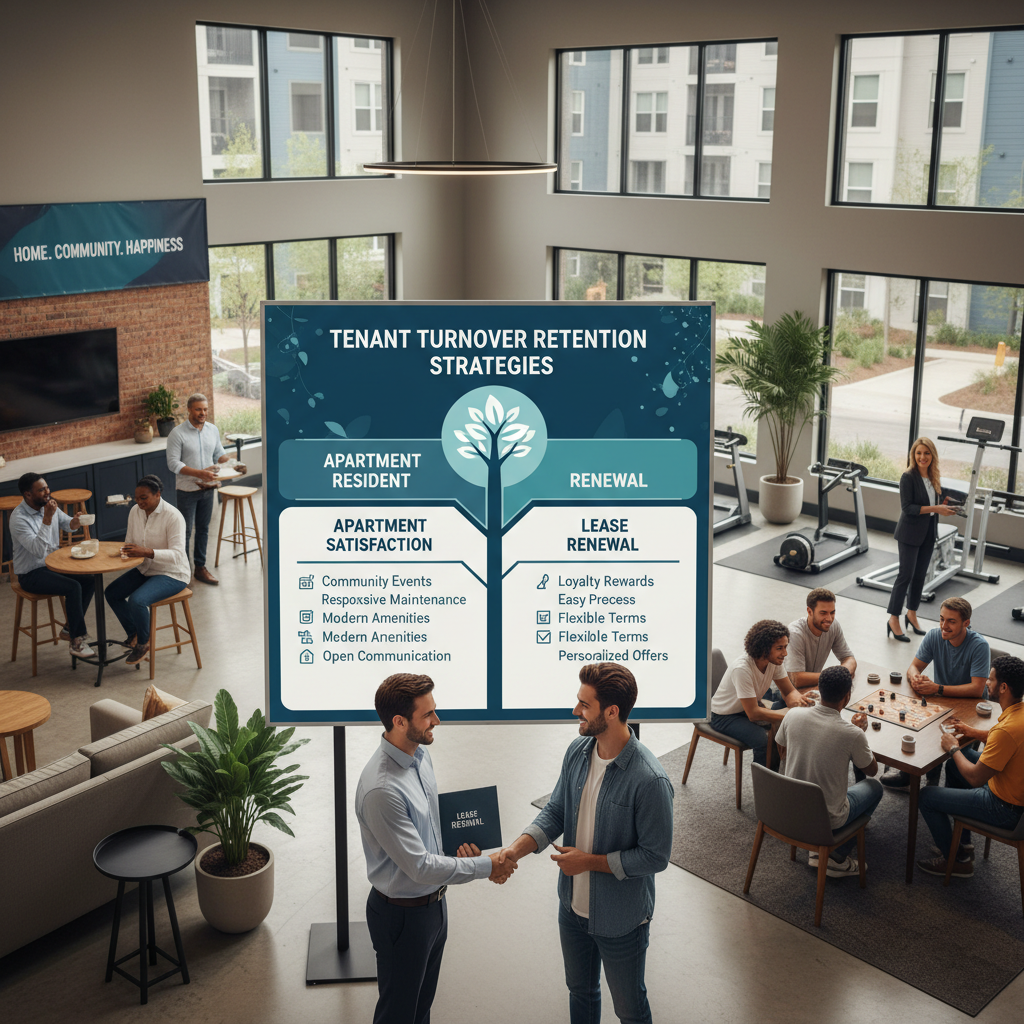
How to Reduce Tenant Turnover: Retention Strategies That Actually Work
Every time a tenant moves out, it costs you money. The cost of a single turnover—vacancy loss, make-ready, marketing, leasing—can range from $1,500 to $5,000 or more. And that's before considering the indirect costs of staff time and potential rent loss if the unit sits vacant.
The most effective way to reduce these costs is to keep your current residents happy enough to renew. This guide covers practical, proven tenant retention strategies.
The True Cost of Tenant Turnover
Direct Costs
| Cost Category | Typical Range | |---|---| | Vacancy loss (lost rent) | $400-$2,000+ per unit | | Make-ready / turnover services | $1,000-$3,500 | | Marketing and advertising | $100-$500 | | Leasing staff time | $200-$500 | | Administrative processing | $100-$200 | | Total per turnover | $1,800-$6,700+ |
Indirect Costs
- Staff time spent coordinating turnover instead of revenue-generating activities
- Increased wear on units from frequent turns
- Potential rent loss if market rates have declined
- Negative reviews from dissatisfied departing tenants
- Reduced property reputation in the market
Why Tenants Leave
Top 5 Reasons Tenants Don't Renew
- Poor maintenance response (38% of move-outs cite this)
- Rent increases that feel unreasonable (28%)
- Poor communication / unresponsive management (22%)
- Safety concerns (15%)
- Unit condition / outdated features (12%)
The good news? Most of these are within your control.
Strategy 1: Responsive Maintenance
The #1 Retention Factor
Nothing drives tenants away faster than slow, poor-quality maintenance. When a tenant submits a maintenance request, their experience with the resolution process determines their perception of your entire management operation.
Maintenance Response Standards
- Emergency requests: Respond within 2 hours, resolve within 24 hours
- Urgent requests (no heat, water leak): Respond within 4 hours, resolve within 48 hours
- Routine requests: Respond within 24 hours, resolve within 5 business days
- Non-urgent requests: Schedule within 1 week
Quality Standards
- First-time fix rate above 85%
- Technician arrives within the promised time window
- Work area cleaned after completion
- Before/after photos provided for documentation
- Follow-up satisfaction check within 48 hours
Strategy 2: Proactive Communication
Communication Touchpoints
Move-In:
- Welcome packet with all essential information
- Personal introduction to property manager
- Move-in inspection with photos
- Explanation of maintenance request process
During Tenancy:
- Monthly newsletter (community updates, tips)
- 60-day check-in call or email
- Quarterly satisfaction survey
- Pre-renewal outreach (90 days before lease end)
Move-Out (if they decide to leave):
- Exit interview to understand why
- Professional, respectful process
- Timely security deposit return
- Request for feedback and review
Communication Best Practices
- Respond to all tenant communications within 24 hours
- Use multiple channels (email, text, portal, phone)
- Be transparent about timelines and expectations
- Acknowledge issues even if you can't resolve them immediately
- Follow up after resolution to confirm satisfaction
Strategy 3: Fair and Transparent Rent Increases
How to Raise Rent Without Losing Tenants
- Know your market: Research comparable rents before increasing
- Keep increases reasonable: 3-5% annual increase is generally accepted
- Give ample notice: 60-90 days before lease renewal
- Explain the increase: Share what improvements have been made or are planned
- Offer renewal incentives: Longer lease = smaller increase, or waive a fee
- Consider the cost of turnover: A $50/month increase that causes a move-out costs you thousands
Renewal Incentive Ideas
- Lock in rate for 2-year lease with smaller annual increase
- One-time rent credit for early renewal
- Free amenity upgrade (parking, storage)
- Unit refresh (new paint, carpet cleaning)
- Reduced or waived pet fee
Strategy 4: Community Building
Creating a Sense of Belonging
Tenants who feel connected to their community are less likely to leave. Consider:
- Resident events: Seasonal gatherings, food truck nights, holiday parties
- Community spaces: Well-maintained common areas, courtyards, rooftop decks
- Online community: Resident Facebook group or portal
- Recognition programs: Resident of the month, referral rewards
- Local partnerships: Discounts at nearby businesses
Strategy 5: Property Upgrades and Maintenance
High-Impact, Low-Cost Upgrades
- Fresh paint in common areas annually
- Updated lighting (LED retrofits save energy and look modern)
- Landscaping improvements (curb appeal matters)
- Package lockers (huge convenience for online shoppers)
- Smart locks (keyless entry is a major selling point)
- Smart thermostats (energy savings + modern feel)
- EV charging stations (increasingly expected)
- Pet amenities (dog park, pet wash station)
In-Unit Upgrades for Renewal
When a tenant is considering renewal, offer targeted upgrades:
- New blinds or window treatments
- Upgraded appliances (stainless steel)
- Fresh paint in their choice of color
- New flooring in high-traffic areas
- Ceiling fan installation
- Smart home devices (video doorbell, smart lock)
Strategy 6: Streamlined Technology
Digital Convenience
Modern tenants expect digital convenience:
- Online rent payment: No checks, no office visits
- Maintenance portal: Submit and track requests online
- Digital document signing: Lease renewals in minutes
- Community portal: Announcements, events, neighbor connections
- Package notifications: Real-time delivery alerts
Strategy 7: Safety and Security
Security Investments That Pay Off
- Adequate lighting in all common areas, parking, and walkways
- Security cameras at entrances and common areas
- Access control systems (key fobs, smart locks)
- Regular security patrols (if applicable)
- Promptly address safety concerns raised by residents
- Clear emergency procedures and communication
Measuring Retention Success
Key Metrics to Track
- Annual renewal rate: Target 60%+ for multifamily
- Average tenant tenure: Track year over year
- Turnover rate by building/unit type: Identify problem areas
- Satisfaction score: Survey at renewal time
- Maintenance satisfaction: Track after each service call
Conclusion
Reducing tenant turnover is about consistently delivering a great living experience. Responsive maintenance, proactive communication, fair pricing, community building, and strategic property upgrades all contribute to keeping residents renewing year after year. Every turnover you prevent saves thousands of dollars and strengthens your property's reputation.
Auxi Services helps property managers deliver the responsive, professional service that keeps tenants renewing. Contact us to learn more.