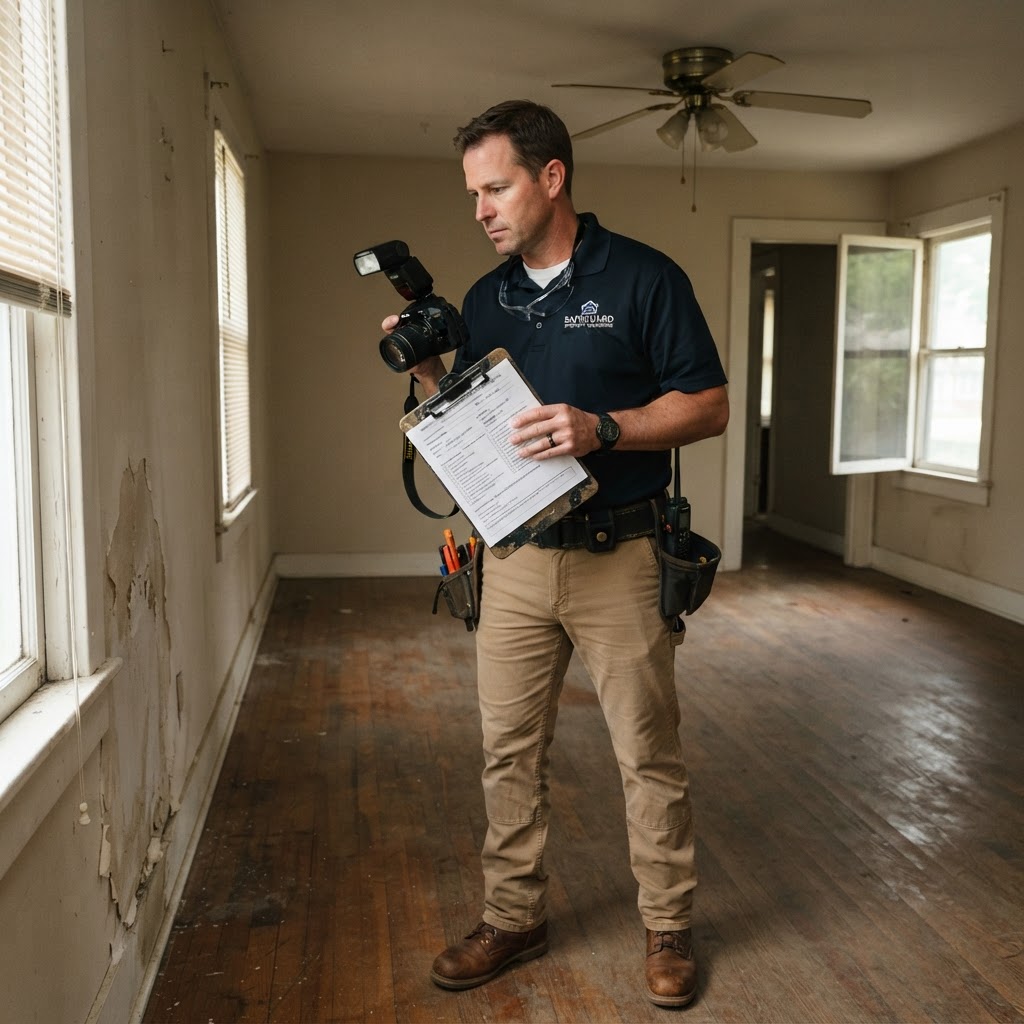
Property Preservation Companies Compared: What to Look For
Choosing the right property preservation company is critical for lenders, asset managers, and real estate investors managing vacant or REO properties. The wrong partner can result in code violations, property damage, and costly delays. Here is what to evaluate when comparing preservation companies.
1. Geographic Coverage
Does the company actually serve your markets? Many companies claim national coverage but subcontract in states where they have no direct presence. Ask specifically about:
- States where they have direct crews vs subcontractors
- Average response time in each market
- Capacity for high-volume work in your target areas
2. Service Scope
A full-service preservation company should handle:
- Initial securing (lock changes, board-up)
- Trash-out and debris removal
- Winterization (full and partial)
- Lawn maintenance and snow removal
- Roof tarps and emergency repairs
- Property inspections (occupancy, condition, eviction)
- REO repairs and turn services
- Maid service for showings
If a company cannot handle the full scope, you will need multiple vendors, increasing coordination complexity and cost.
3. Licensing and Insurance
Verify the following:
- State contractor licenses where required
- General liability insurance (minimum $1 million)
- Workers compensation coverage
- Auto insurance for all vehicles
- EandO (Errors and Omissions) insurance
- Background checks for all field personnel
4. Technology and Reporting
Modern preservation companies should provide:
- Photo documentation (before, during, after) for every service
- Real-time work order status updates
- Online portal for work order tracking and history
- Invoice detail tied to work order line items
- Mobile app for field crews with GPS verification
- Integration with your property management system
Companies still relying on paper invoices and email photos will slow your workflow and create compliance gaps.
5. Compliance Expertise
Preservation requirements vary by investor (Fannie Mae, Freddie Mac, FHA, VA) and by state and locality. Your preservation company should:
- Know HUD preservation requirements and timelines
- Understand investor-specific guidelines (MNAs, allowable)
- Track and meet compliance deadlines
- Provide audit-ready documentation
- Handle bidding and approval processes correctly
6. Quality and Performance Metrics
Ask for:
- Average response time for initial securing (should be under 48 hours)
- Quality inspection pass rate (should be above 95 percent)
- Completion rate within investor timelines
- Client retention rate
- References from similar portfolios
7. Pricing Structure
Compare not just the rate card but the total cost of working with each company:
- Are there trip charges or minimum fees?
- How are bid approvals handled?
- Are there administrative or reporting fees?
- What is the markup on subcontracted work?
- Are winterization and seasonal services included or extra?
8. Emergency Response Capability
For properties with active damage or security risks, emergency response time is critical. Ask:
- 24/7 availability?
- Guaranteed response time for emergencies?
- Board-up capability within 24 hours?
- Storm and disaster response capacity?
Red Flags
- Reluctance to provide proof of insurance or licensing
- No online portal or photo documentation
- Significantly lower pricing than competitors (often means cutting corners)
- Poor communication during the sales process (it will be worse after signing)
- No references or only outdated references
- No quality control process or inspection program