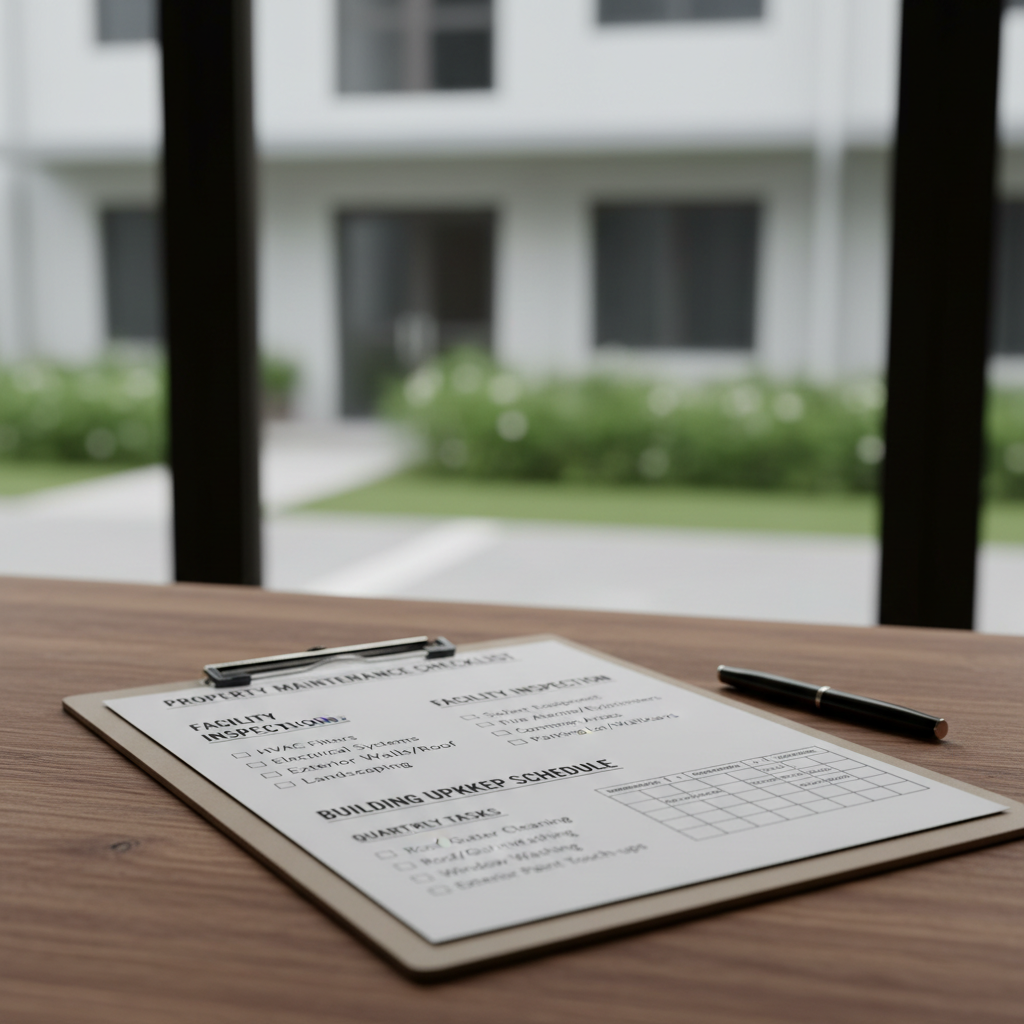
Property Maintenance Checklist: The Ultimate Guide for Property Managers
A well-structured property maintenance checklist is the single most effective tool a property manager can have. It transforms reactive, chaotic maintenance into a proactive, predictable system that saves money, keeps tenants satisfied, and protects the long-term value of your real estate assets.
This guide provides a comprehensive property maintenance checklist organized by frequency—daily, weekly, monthly, quarterly, and seasonal—so you can build a maintenance program that works for any property type.
Why You Need a Property Maintenance Checklist
The Cost of Reactive Maintenance
Without a checklist, maintenance happens only when something breaks. This reactive approach leads to:
- Emergency repair premiums: 2-3x standard rates for after-hours or urgent calls
- Shorter equipment lifespan: Neglected systems fail years before their expected service life
- Higher tenant turnover: Tenants who report repeated maintenance issues are 3x more likely to move out
- Capital expense surprises: Deferred maintenance turns $200 repairs into $2,000+ replacements
- Legal liability: Code violations and safety hazards from neglected inspections
The ROI of Preventive Maintenance
| Metric | Reactive Approach | Proactive Approach | |---|---|---| | Annual repair costs | Baseline | 25-40% lower | | Equipment lifespan | 10-12 years | 15-20 years | | Emergency calls per year | 8-12 | 2-4 | | Tenant satisfaction | 65-70% | 85-95% | | Tenant retention rate | 45% | 65-75% |
Daily Property Maintenance Checklist
Common Areas
- [ ] Inspect lobby and entry areas for cleanliness and damage
- [ ] Check all exit signs and emergency lighting
- [ ] Verify trash and recycling areas are clean and accessible
- [ ] Inspect elevators for smooth operation and cleanliness
- [ ] Check common area lighting—replace burnt-out bulbs
- [ ] Monitor HVAC thermostat settings in common areas
- [ ] Walk parking lot for debris, potholes, or safety hazards
- [ ] Inspect landscaping for obvious issues (broken sprinklers, dead plants)
Security and Safety
- [ ] Verify all exterior doors lock properly
- [ ] Check security cameras for proper operation
- [ ] Inspect fire extinguishers (visible and accessible)
- [ ] Test alarm panel status indicators
- [ ] Review visitor log and access control systems
Tenant-Facing
- [ ] Respond to all tenant maintenance requests within 24 hours
- [ ] Follow up on open work orders
- [ ] Check for package overflow in mailroom
- [ ] Inspect common restrooms for supplies and cleanliness
Weekly Property Maintenance Checklist
Building Systems
- [ ] Inspect mechanical room for leaks, unusual noises, or odors
- [ ] Check water heater for leaks and proper temperature
- [ ] Inspect sump pumps and verify operation
- [ ] Test backup generator (if applicable)
- [ ] Check electrical panel for tripped breakers
- [ ] Inspect roof drains and gutters for blockages
Exterior and Grounds
- [ ] Walk the full property perimeter for damage or hazards
- [ ] Inspect parking lot striping and signage
- [ ] Check playground equipment (if applicable) for safety
- [ ] Inspect fencing and gates for damage
- [ ] Monitor landscaping irrigation system
- [ ] Check exterior lighting—photocells and timers
Administrative
- [ ] Review all completed work orders for quality
- [ ] Update preventive maintenance calendar
- [ ] Check vendor compliance (insurance, licenses)
- [ ] Review maintenance budget vs. actuals
- [ ] Document any issues needing further attention
Monthly Property Maintenance Checklist
HVAC Systems
- [ ] Replace air filters in all units and common areas
- [ ] Inspect condensate drain lines for blockages
- [ ] Check refrigerant levels and refrigerant lines
- [ ] Clean condenser and evaporator coils
- [ ] Test thermostat operation in sample units
- [ ] Inspect ductwork for visible leaks or damage
Plumbing Systems
- [ ] Check all exposed pipes for leaks or corrosion
- [ ] Test water pressure in sample units
- [ ] Inspect water heater anode rod (if accessible)
- [ ] Check for slow drains indicating blockages
- [ ] Inspect shut-off valves for proper operation
- [ ] Test sump pump and backup systems
Electrical Systems
- [ ] Inspect electrical panels for heat or damage
- [ ] Test GFCI outlets in common areas
- [ ] Check exterior outlets and covers
- [ ] Inspect emergency lighting battery status
- [ ] Verify fire alarm system test results
Interior Common Areas
- [ ] Inspect walls and ceilings for cracks or water stains
- [ ] Check stair treads and handrails for loose components
- [ ] Inspect doors and hardware for proper operation
- [ ] Check window seals and weatherstripping
- [ ] Inspect common area flooring for wear or damage
Exterior
- [ ] Inspect roof for damage, pooling water, or debris
- [ ] Check exterior walls for cracks or damage
- [ ] Inspect downspouts and drainage systems
- [ ] Check caulking and sealant around windows and doors
- [ ] Inspect signage for damage or fading
Quarterly Property Maintenance Checklist
Comprehensive HVAC
- [ ] Schedule professional HVAC inspection and tune-up
- [ ] Test heating system before winter season
- [ ] Test cooling system before summer season
- [ ] Inspect and clean cooling tower (if applicable)
- [ ] Calibrate thermostats and control systems
Fire and Life Safety
- [ ] Test fire alarm system (full system test)
- [ ] Inspect and test sprinkler system
- [ ] Service fire extinguishers (annual certification)
- [ ] Test emergency lighting (90-minute battery test)
- [ ] Inspect fire doors and smoke barriers
- [ ] Verify exit routes are clear and properly marked
Pest Control
- [ ] Schedule quarterly pest control treatment
- [ ] Inspect for signs of rodent or insect activity
- [ ] Check exterior for pest entry points
- [ ] Review tenant pest complaints for patterns
Elevator and Vertical Transport
- [ ] Schedule elevator inspection and certification
- [ ] Test emergency phone in elevators
- [ ] Inspect elevator interior for damage
- [ ] Check door operation and sensors
Budgeting and Planning
- [ ] Review quarterly maintenance expenses
- [ ] Update capital improvement plan
- [ ] Evaluate vendor performance
- [ ] Plan upcoming seasonal maintenance
- [ ] Review warranty expirations
Seasonal Property Maintenance Checklist
Spring (March-May)
Exterior:
- [ ] Inspect roof for winter damage
- [ ] Clean gutters and downspouts
- [ ] Check foundation for cracks
- [ ] Inspect siding and exterior paint
- [ ] Service and start irrigation system
- [ ] Schedule landscaping refresh
- [ ] Inspect outdoor common area furniture
HVAC:
- [ ] Schedule AC system tune-up
- [ ] Replace all air filters
- [ ] Clean condenser units
- [ ] Test cooling before peak season
General:
- [ ] Inspect windows and screens for damage
- [ ] Check weatherstripping and seals
- [ ] Service pool or water features
- [ ] Clean exterior common areas (power wash)
Summer (June-August)
HVAC:
- [ ] Monitor cooling system performance
- [ ] Replace filters monthly (peak usage)
- [ ] Check refrigerant levels
- [ ] Inspect ductwork in attics or crawlspaces
Exterior:
- [ ] Monitor landscaping health
- [ ] Inspect parking lot for heat-related damage
- [ ] Check exterior lighting (longer days)
- [ ] Inspect roof after storms
General:
- [ ] Test backup generator before storm season
- [ ] Review hurricane/storm preparedness plan
- [ ] Inspect and clean exterior drains
- [ ] Monitor humidity levels in building
Fall (September-November)
HVAC:
- [ ] Schedule heating system tune-up
- [ ] Replace all air filters
- [ ] Test heating before cold season
- [ ] Inspect heat exchanger for cracks
- [ ] Test carbon monoxide detectors
Exterior:
- [ ] Clean gutters after leaf fall
- [ ] Inspect roof before winter
- [ ] Check exterior caulking and seals
- [ ] Winterize irrigation system
- [ ] Service snow removal equipment
- [ ] Inspect and repair sidewalks
General:
- [ ] Check insulation in attics and crawlspaces
- [ ] Inspect pipe insulation
- [ ] Review winter emergency plan
- [ ] Stock winter supplies (salt, shovels)
Winter (December-February)
HVAC:
- [ ] Monitor heating system performance
- [ ] Replace filters monthly
- [ ] Check for ice dams on roof
- [ ] Monitor indoor humidity levels
Exterior:
- [ ] Remove snow and ice from walkways
- [ ] Inspect roof for snow load
- [ ] Check for ice buildup on gutters
- [ ] Monitor frozen pipe risk
General:
- [ ] Test emergency heating backup
- [ ] Check generator fuel levels
- [ ] Inspect heating system vents
- [ ] Monitor energy usage for anomalies
Property Maintenance Checklist by Property Type
Multifamily Apartments
Additional items for multifamily properties:
- [ ] Inspect common area laundry equipment weekly
- [ ] Check mailbox area for damage
- [ ] Inspect stairwells and railings
- [ ] Monitor common area HVAC efficiency
- [ ] Inspect trash chute operation
- [ ] Check unit doors and hardware during turns
Commercial Office
Additional items for office buildings:
- [ ] Inspect conference room AV equipment
- [ ] Check break room appliances
- [ ] Monitor elevator wait times
- [ ] Inspect parking garage lighting
- [ ] Check building automation system logs
- [ ] Verify ADA accessibility features
Retail Properties
Additional items for retail spaces:
- [ ] Inspect storefront glass and doors
- [ ] Check signage and lighting
- [ ] Monitor loading dock operations
- [ ] Inspect public restrooms hourly during business hours
- [ ] Check shopping cart corrals
Building a Maintenance Program
Step 1: Create a Master Asset List
Document every building system and component:
- HVAC units (with model, serial, install date)
- Water heaters
- Boilers and chillers
- Elevators
- Fire safety systems
- Roofing (type, age, warranty)
- Parking lot surface
- Major appliances in units
Step 2: Assign Responsibility
Clearly define who handles each checklist item:
- On-site staff: Daily and weekly items
- Property manager: Monthly reviews and vendor coordination
- Vendors: Quarterly and seasonal specialized tasks
- Ownership: Capital planning and budget approval
Step 3: Track Everything
Use a maintenance management system (CMMS) to:
- Schedule recurring tasks automatically
- Track completion and verification
- Store photos and documentation
- Generate reports for ownership
- Flag overdue items
Step 4: Review and Improve
Quarterly, review your program:
- Are checklist items being completed on time?
- Are emergency calls decreasing?
- Is the maintenance budget on track?
- Are tenants reporting fewer issues?
- What items need to be added or modified?
Technology for Property Maintenance
CMMS Software
A Computerized Maintenance Management System centralizes:
- Work order creation and tracking
- Preventive maintenance scheduling
- Asset and equipment management
- Vendor management
- Cost tracking and reporting
- Mobile access for field staff
IoT Sensors
Smart building sensors monitor:
- Water leaks (under sinks, near water heaters)
- Temperature extremes (freeze protection)
- Humidity levels (mold prevention)
- Door and window status (security)
- Equipment vibration (predictive maintenance)
Mobile Apps
Field staff and vendors can:
- Receive work orders on their phone
- Upload completion photos
- Update status in real-time
- Submit invoices digitally
- Access maintenance history
Common Maintenance Mistakes to Avoid
1. Skipping Inspections
The most common mistake. Inspections take minutes; repairs take days. Never skip a scheduled inspection, even if 'everything looks fine.'
2. No Documentation
If it's not documented, it didn't happen. Photo verification and completion reports protect you in disputes and provide data for decision-making.
3. Deferred Maintenance
Putting off small repairs guarantees bigger problems later. A $100 repair deferred for 6 months becomes a $700+ emergency.
4. No Vendor Backup
Relying on a single vendor for any service is risky. Always have 2-3 vetted vendors per trade.
5. Ignoring Tenant Feedback
Tenants often notice issues before staff. Create an easy reporting process and respond promptly—it prevents small issues from becoming emergencies.
How Auxi Services Simplifies Property Maintenance
Managing a comprehensive maintenance checklist across multiple properties is overwhelming. Auxi Services makes it manageable:
Centralized Work Order Management
Create, assign, and track every maintenance task from a single dashboard—with automatic scheduling for recurring preventive items.
Pre-Vetted Vendor Network
Access licensed, insured vendors for every trade—no more chasing down W-9s or verifying insurance. Every vendor is pre-qualified and performance-rated.
Photo-Verified Completion
Every completed task includes before and after photos—ensuring quality standards are met before payment is released.
Competitive Pricing
Vendors bid on your work orders, ensuring you get fair, market-rate pricing every time—no inflated emergency rates.
24/7 Emergency Response
When something goes wrong outside business hours, our platform routes emergency calls to the nearest available vendor for rapid response.
Automated Preventive Scheduling
Set up recurring maintenance tasks once, and the system handles scheduling, vendor assignment, and reminders automatically.
Nationwide Coverage
Whether you manage one building or 500 across the country, you get consistent service quality and centralized reporting.
Conclusion
A structured property maintenance checklist is the foundation of effective property management. By breaking maintenance into daily, weekly, monthly, quarterly, and seasonal tasks, you create a proactive system that prevents costly emergencies, extends equipment life, and keeps tenants satisfied.
The key to success is consistency: follow the checklist, document everything, and leverage technology to automate and track your program. With a platform like Auxi Services, you can manage your entire maintenance program from one place—with pre-vetted vendors, transparent pricing, and photo-verified quality.
Ready to streamline your property maintenance? Contact Auxi Services for a free consultation.