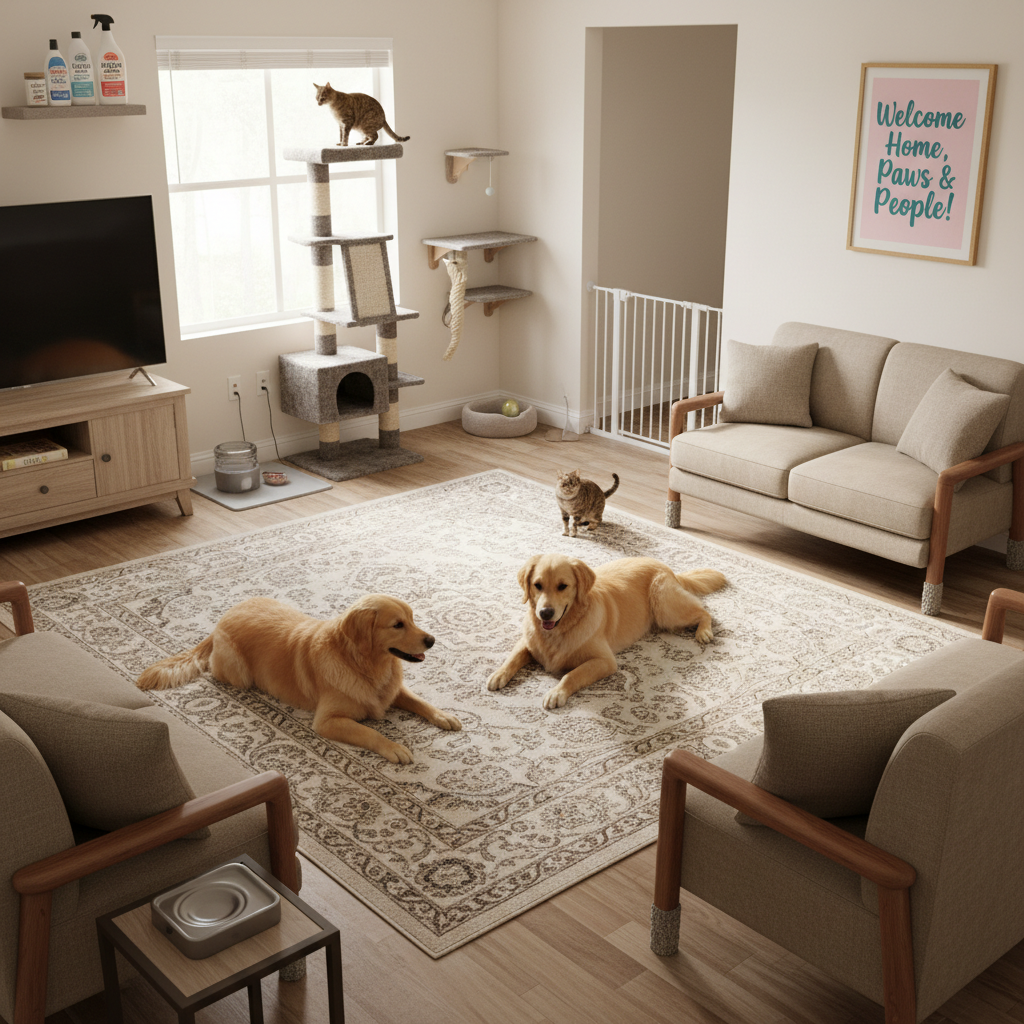
Pet-Friendly Apartment Policies: Damage Prevention and Repair
Over 70% of renters have pets, and pet-friendly properties typically see lower vacancy rates and higher tenant retention. But pets also bring unique maintenance challenges—scratched doors, stained carpet, odors, and damaged baseboards.
This guide covers how to implement pet-friendly policies while protecting your property and managing pet-related damage effectively.
The Business Case for Pet-Friendly Policies
Benefits of Allowing Pets
- Larger applicant pool: 70%+ of renters have pets
- Lower vacancy rates: Pet-friendly units rent faster
- Higher retention: Pet owners move less frequently (harder to find pet-friendly housing)
- Additional revenue: Pet rent ($25-$50/month) and pet fees ($200-$500)
- Competitive advantage: Many properties still don't allow pets
The Risks
- Flooring damage: Scratches, stains, odors (especially carpet)
- Door and trim damage: Scratching from dogs
- Wall damage: Messy eaters, excited pets
- Odor issues: Urine, dander, wet dog smell
- Noise complaints: Barking dogs
- Yard damage: Digging, brown spots on grass
- Liability: Dog bites, property damage
Designing a Pet Policy
Pet Screening
Require pet screening before approval:
- Pet resume (vaccination records, behavior history, references)
- Pet interview/meet-and-greet
- Breed restrictions (check insurance requirements)
- Weight limits (if applicable—though many properties are removing these)
- Maximum number of pets per unit
Pet Fees and Deposits
| Fee Type | Typical Amount | Refundable? | |---|---|---| | Pet deposit | $200-$500 | Yes (minus damages) | | Pet rent | $25-$50/month | No (ongoing revenue) | | Pet fee (non-refundable) | $200-$400 | No | | Pet amenity fee | $50-$100/year | No |
Policy Elements to Include
- Allowed pet types (dogs, cats, small caged animals, fish)
- Breed and weight restrictions (if any)
- Maximum number of pets
- Vaccination and licensing requirements
- Pet registration and photo on file
- Leash requirements in common areas
- Pet waste cleanup requirements
- Designated pet areas
- Pet-related noise expectations
- Consequences for policy violations
Preventing Pet Damage
1. Flooring Choices
Best Flooring for Pet-Friendly Units:
| Flooring Type | Pet Durability | Cost | Lifespan | |---|---|---|---| | Luxury Vinyl Plank (LVP) | Excellent | $4-$8/sq ft | 15-25 years | | Tile | Excellent | $8-$15/sq ft | 25-50+ years | | Laminate | Good | $3-$7/sq ft | 10-15 years | | Hardwood (engineered) | Fair | $6-$12/sq ft | 15-25 years | | Carpet | Poor | $2-$5/sq ft | 5-10 years |
Recommendation: Install LVP in all pet-friendly units. It's waterproof, scratch-resistant, and easy to replace individual planks if damaged.
2. Durable Paint
- Use semi-gloss or satin finish in lower wall areas (easier to clean)
- Apply a second coat for extra durability
- Consider wainscoting or chair rail in high-traffic areas
- Use washable paint formulations
3. Door and Trim Protection
- Install metal door kick plates (prevents scratching at bottom)
- Use durable trim materials (MDF or composite rather than soft wood)
- Consider pet doors with secure locking mechanisms
- Apply clear protective film to lower door sections
4. Odor Prevention
- Install hard-surface flooring (carpet traps odors)
- Use paint with odor-blocking properties
- Ensure adequate ventilation in all units
- Install exhaust fans in bathrooms and kitchens
- Consider air purifiers in common areas
5. Outdoor Areas
- Designate pet relief areas with artificial turf or gravel
- Install pet waste stations with bags and trash cans
- Create fenced dog runs where space allows
- Use durable landscaping (avoid delicate plants)
- Install adequate outdoor lighting for evening walks
Dealing with Pet Damage
Carpet and Flooring
Urine Stains and Odors:
- Extract as much liquid as possible immediately
- Apply enzymatic cleaner (breaks down uric acid crystals)
- Let sit for 10-15 minutes, then blot dry
- For severe cases: remove and replace padding underneath
- For deep saturation: replace carpet entirely
Scratches on Hardwood/Laminate:
- Clean area thoroughly
- Apply wood filler for deep scratches
- Sand smooth
- Match stain color
- Apply protective finish
Doors and Trim
Scratch Repair:
- Sand damaged area smooth
- Fill deep scratches with wood filler
- Prime repaired areas
- Paint with matching color
- Consider installing kick plates to prevent recurrence
Walls
Scuff and Scratch Repair:
- Clean wall surface
- Fill any gouges with spackle
- Sand smooth
- Prime and paint
- Consider semi-gloss paint for easier cleaning
Pet-Related Turnover Considerations
Additional Turnover Steps for Pet-Friendly Units
- Enzymatic treatment of all flooring (even if no visible stains)
- Deep clean and deodorize all surfaces
- Inspect and replace damaged trim and doors
- Check for and seal any pet-damaged areas in walls
- Replace HVAC filters (pet dander accumulates)
- Clean air ducts if odors persist
- Treat outdoor areas for waste and damage
Cost Adjustments
| Standard Turnover Step | Additional Pet Cost | |---|---| | Carpet cleaning | +$50-$100 (enzymatic treatment) | | Floor repair | +$50-$200 (scratch damage) | | Door/trim repair | +$50-$150 | | Odor treatment | +$100-$300 | | Air duct cleaning | +$200-$400 | | Total additional cost | +$450-$1,150 |
Pet Amenities That Add Value
High-ROI Pet Amenities
- Dog park / dog run: Major selling point for pet owners
- Pet wash station: Indoor or outdoor, prevents bathtub damage
- Pet waste stations: Reduces waste left on grounds
- Pet-friendly common areas: Designated indoor spaces
- Pet storage: Leash hooks, waste bag dispensers
- Pet door access: Secure pet doors to patios/balconies
Legal Considerations
Fair Housing and Assistance Animals
- Service animals and emotional support animals are not pets under Fair Housing law
- You cannot charge pet fees/deposits for assistance animals
- You can require documentation for emotional support animals
- Breed and weight restrictions do not apply to assistance animals
- Denying a reasonable accommodation request can result in discrimination claims
Liability Considerations
- Check your insurance policy for breed restrictions
- Require renters insurance with liability coverage for pets
- Document all pet-related incidents
- Have clear procedures for addressing dangerous animals
Conclusion
Pet-friendly policies are a competitive advantage in today's rental market. By choosing durable materials, implementing smart policies, and budgeting for pet-related maintenance, you can capture the significant demand from pet owners while protecting your property investment.
Auxi Services handles pet-damage repair and specialized turnover services for pet-friendly properties. Contact us to learn more.