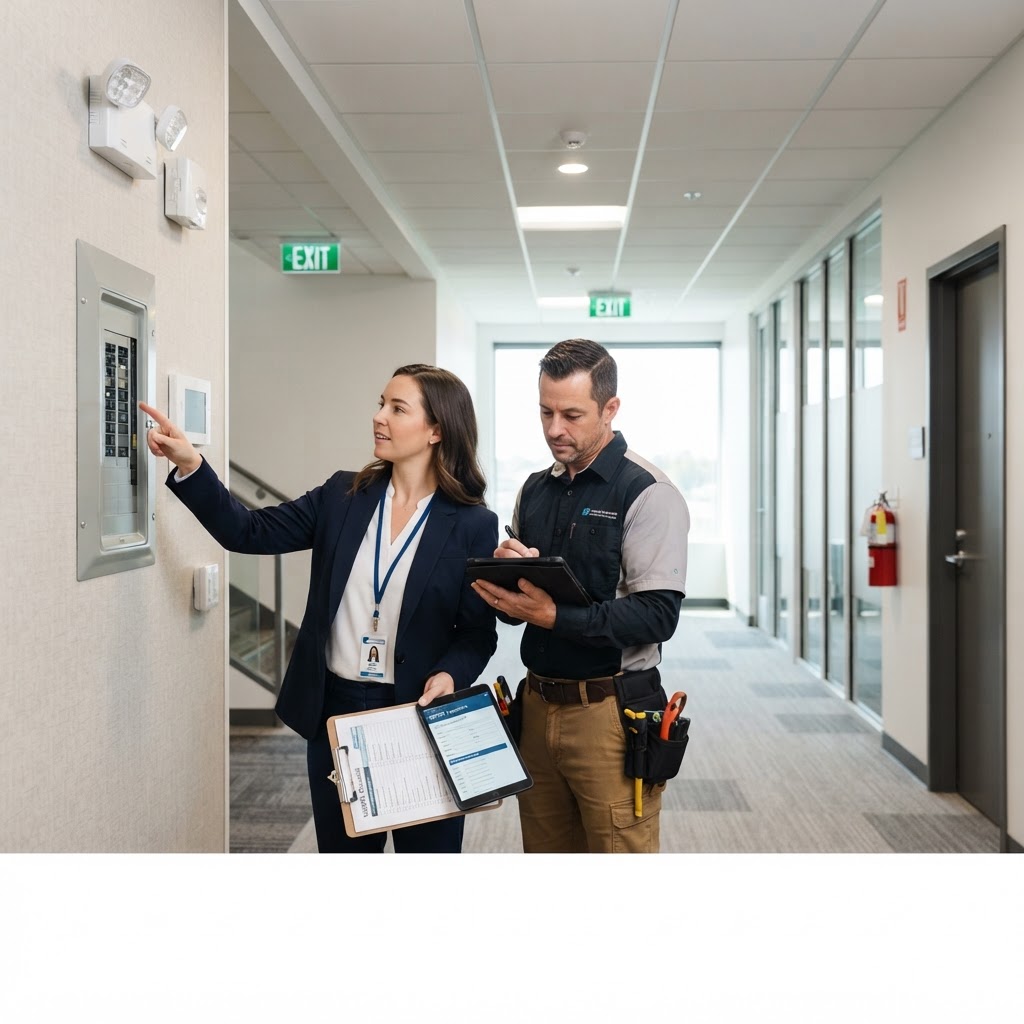
NSPIRE Inspection Checklist: Complete Preparation Guide for 2025
The National Standards for the Physical Inspection of Real Estate (NSPIRE) replaced the old UPCS inspection protocol for HUD-assisted properties. NSPIRE introduces a new three-area inspection model focused on health and safety. This guide covers everything property managers need to prepare.
What Is NSPIRE?
NSPIRE is HUD's physical inspection framework for public housing, multifamily housing, and Section 8 properties. It emphasizes health and safety deficiencies over cosmetic issues. Inspections evaluate three areas:
- Inside the unit (40% of score weight)
- Outside the building (20% of score weight)
- Common areas (40% of score weight)
NSPIRE Deficiency Severity Levels
- Life-Threatening (Severity 3): Smoke detector missing/inoperable, electrical hazards, blocked egress — must be corrected within 24 hours
- Severe (Severity 2): Leaks, mold, structural issues — must be corrected within 7 days
- Standard (Severity 1): Minor paint, drywall, cosmetic issues — corrected within 30 days
Complete NSPIRE Preparation Checklist
Unit Interior Checklist
Smoke and Carbon Monoxide Detectors
- Smoke detector present and operational in every bedroom
- Smoke detector present outside each sleeping area
- Smoke detector on every level (including basement)
- CO detector within 10 feet of each bedroom (if fuel-burning appliances)
- All detectors tested and batteries replaced within last 12 months
- No missing or disabled detectors
Electrical Safety
- No exposed wiring or junction boxes without covers
- No cracked or broken outlet covers
- No outlets near water without GFCI protection
- No overloaded circuits or daisy-chained power strips
- All switches and outlets functional
- Breaker panel accessible and labeled
Egress and Fire Safety
- All bedrooms have at least one operable egress window or door
- Egress windows open fully without obstruction
- No blocked exits or hallways
- No stored flammable materials in living areas
Plumbing and Water
- No active leaks under sinks or around toilets
- All faucets function with hot and cold water
- Toilets flush properly and are securely mounted
- No signs of water damage on ceilings or walls
- Water heater has TPR valve and discharge pipe
- Proper drainage in sinks, tubs, and showers
Walls, Ceilings, and Floors
- No holes in drywall larger than 1 inch
- No peeling or flaking paint (lead paint concern in pre-1978 units)
- No buckled or damaged flooring (trip hazards)
- No missing or loose baseboards creating gaps
Doors and Windows
- All doors open and close properly
- Exterior doors have working locks and deadbolts
- No broken or cracked window glass
- Windows open, close, and lock properly
- No rotted or damaged window frames
Building Exterior Checklist
- Roof free of visible damage, missing shingles, or ponding water
- Gutters and downspouts intact and draining
- Siding and exterior walls free of major damage
- No trip hazards on walkways (cracks, uneven surfaces)
- Handrails present on stairs with 4+ risers
- Guardrails on decks, balconies, and porches (minimum 36 inches)
- Exterior lighting operational in common areas
- No evidence of pest or rodent harborage
Common Area Checklist
- Hallways free of obstructions and storage
- Stairwells clear with intact handrails
- Exit signs illuminated and visible
- Emergency lighting functional
- Trash areas clean and enclosed
- Laundry rooms clean and appliances functional
- Common restrooms clean and functional
- No tripping hazards in corridors
Common NSPIRE Deficiencies and How to Fix Them
Top 10 Most Common Deficiencies
- Missing or inoperable smoke detector — Test and replace immediately; keep spares on hand
- Chipped or peeling paint — Scrape, prime, and repaint affected areas
- Leaking faucet or plumbing — Replace washers, valves, or fixtures
- Cracked or broken outlet covers — Replace covers (costs under $1 each)
- Blocked egress — Remove stored items from hallways and exits
- Damaged window screens — Replace screens as needed
- Missing handrails — Install on all stairs with 4+ risers
- Mold in bathrooms — Clean, repair caulking, improve ventilation
- Trip hazards — Repair uneven flooring, secure loose carpet
- Inoperable windows — Repair or replace window mechanisms
NSPIRE Scoring
- Pass: Score of 60 or above
- Fail: Score below 60 A single life-threatening deficiency can significantly impact your score. Addressing health and safety items first is the most effective strategy.
How Auxi Services Can Help with NSPIRE Preparation
Auxi Services provides comprehensive NSPIRE preparation including pre-inspection audits, multi-crew deployment for fast deficiency correction, smoke detector replacement, paint/drywall/flooring repairs, and photo-documented completion reports. Contact Auxi Services for a free NSPIRE preparation assessment.