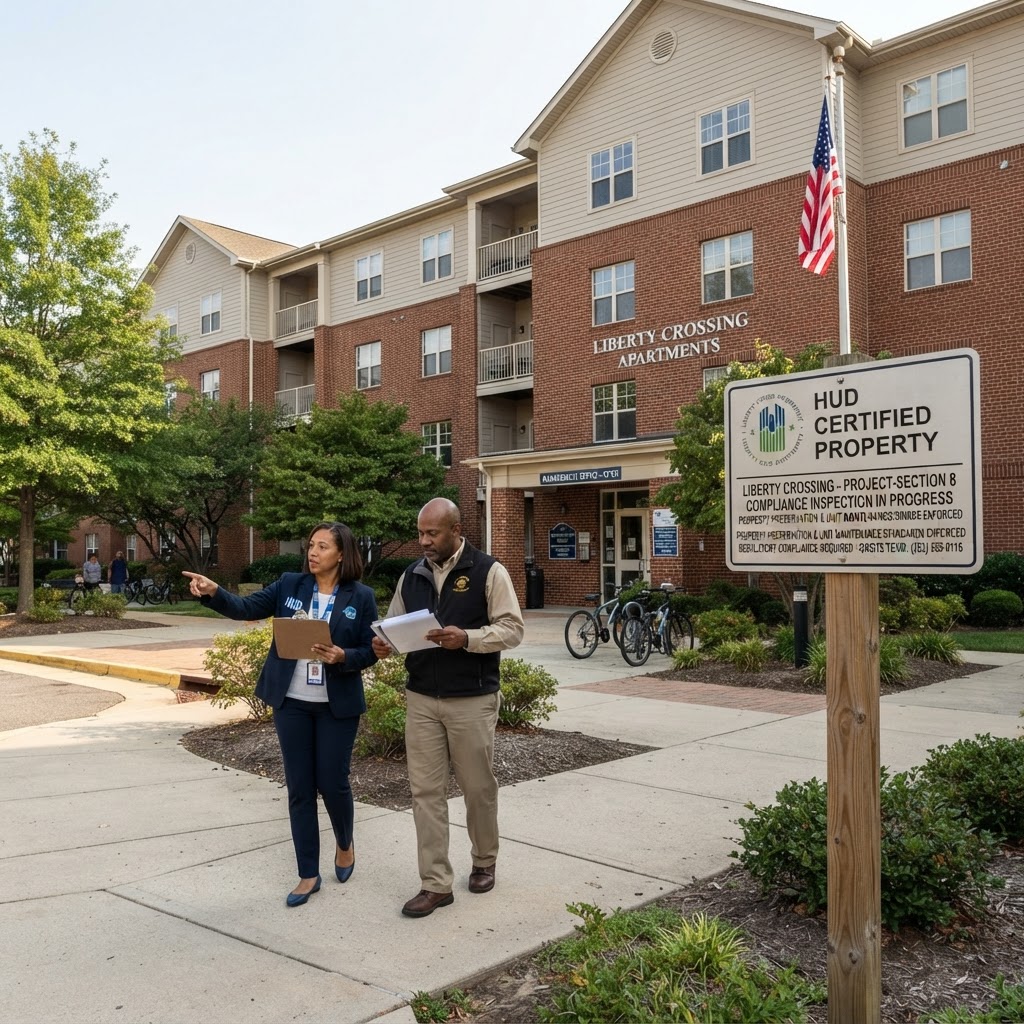
HUD Property Preservation Requirements: A Compliance Guide
Properties with government-backed mortgages — those insured by FHA, owned by Fannie Mae or Freddie Mac, or part of HUD programs — are subject to specific preservation requirements that go beyond standard property maintenance. Failure to meet these requirements can result in financial penalties, repurchase demands, and exclusion from government lending programs.
This guide covers the key HUD property preservation requirements that lenders, servicers, and property managers need to understand.
Overview of HUD Preservation Requirements
The U.S. Department of Housing and Urban Development (HUD) establishes preservation standards for properties with FHA-insured mortgages. These requirements are outlined in HUD handbooks and mortgagee letters, and they're enforced through servicer reviews and audits.
Core Principles
HUD preservation requirements are built on several core principles:
- Timely Action — Preservation tasks must be completed within specific timeframes
- Documentation — Every action must be documented with photos and reports
- Standardized Processes — Tasks must follow HUD-approved procedures
- Cost Reasonableness — Preservation spending must be reasonable and justified
- Ongoing Maintenance — Properties must be maintained throughout the vacancy period
Key Preservation Timelines
Initial Inspection and Securing
When a property becomes vacant (or when a servicer becomes aware of vacancy):
- Inspection within 15 days of confirmed vacancy
- Initial securing within 7 days of the inspection
- Winterization before November 1 (or earlier based on local conditions)
Securing Requirements
HUD requires that vacant properties be secured to prevent unauthorized entry:
- Doors: All exterior doors must be locked and secured; deadbolts required
- Windows: Broken windows must be repaired or boarded; ground-floor windows in high-risk areas boarded
- Lockbox: A contractor lockbox must be installed for vendor access
- Other openings: Pet doors, crawl space entries, and other access points must be secured
Winterization Requirements
Properties in states with freezing temperatures must be winterized before the heating season:
- Dry winterization for properties where heating will be off
- Wet winterization for properties where heating will be maintained above 55°F
- Antifreeze application to all traps using RV/marine grade antifreeze only
- Documentation with winterization stickers and photos
HUD defines winterization season as October 1 through March 31, but local conditions may require earlier or later action.
Ongoing Maintenance
After initial securing, properties require ongoing maintenance:
- Lawn maintenance — bi-weekly during growing season (April-October in most regions)
- Snow removal — as needed in snow-affected regions
- Inspections — monthly or bi-monthly, with photo documentation
- Debris removal — as needed, both interior and exterior
- Pest control — quarterly prevention and treatment
Trash-Out Requirements
HUD requires that abandoned personal property be removed from vacant properties:
- Debris removal — All interior and exterior debris must be removed
- Personal property — Items must be documented and stored per state law before disposal
- Hazardous materials — Must be identified and handled by licensed professionals
- Documentation — Before and after photos required for all trash-out work
Documentation Requirements
Photo Documentation
HUD requires comprehensive photo documentation for all preservation activities:
- Before photos — Property condition before work begins
- During photos — Work in progress
- After photos — Completed work and final condition
- Date stamps — All photos must be date-stamped
- Coverage — Photos must cover all areas addressed and key property features
Condition Reports
Every inspection must include a written condition report covering:
- Property address and inspection date
- Occupancy status
- Exterior condition (roof, siding, windows, doors, landscaping)
- Interior condition (by room)
- Identified hazards or damage
- Recommended actions
- Contractor name and contact information
Work Order Documentation
All preservation work must be documented with:
- Work order number and date
- Property address
- Scope of work performed
- Materials used
- Labor hours
- Cost breakdown
- Before, during, and after photos
- Contractor certification and licensing information
Common Compliance Failures
1. Missed Timelines
The most common compliance failure is missing preservation timelines. Properties not secured within 7 days or not winterized before the heating season are frequent audit findings.
Solution: Automated scheduling and deadline tracking through a platform like Auxi ensures no property misses a critical deadline.
2. Inadequate Documentation
Missing photos, poor-quality images, or incomplete condition reports are common findings. Without proper documentation, servicers may be unable to bill for work performed or may face compliance penalties.
Solution: Mobile documentation tools that capture and upload photos in real-time, with quality checks before submission.
3. Improper Winterization
Using the wrong antifreeze, incomplete line draining, or missing fixtures during winterization can result in freeze damage and compliance failures.
Solution: Standardized winterization protocols with trained technicians and quality verification.
4. Incomplete Trash-Out
Leaving debris behind, failing to document personal property disposal, or missing hazardous materials are common findings.
Solution: Comprehensive trash-out checklists and post-completion photo verification.
5. Lapsed Maintenance
Properties that are initially secured but then neglected — with overgrown lawns, accumulated debris, or unaddressed damage — are a major compliance issue.
Solution: Automated recurring maintenance scheduling with completion verification.
How Auxi Ensures HUD Compliance
Auxi Services is built to meet and exceed HUD property preservation requirements:
Compliance-Ready Processes
- All preservation tasks follow HUD-approved procedures
- Timelines tracked automatically with deadline alerts
- Standardized checklists for every task type
- Quality verification before work orders are marked complete
Comprehensive Documentation
- Mobile photo capture with automatic date-stamping
- Before, during, and after photos for every task
- Digital condition reports generated on-site
- Work order documentation stored permanently in the platform
Automated Scheduling
- Recurring maintenance tasks dispatched automatically
- Winterization deadlines tracked by region and climate zone
- Inspection schedules managed automatically
- Deadline alerts sent to account managers before due dates
Audit-Ready Reporting
- Complete audit trail of all preservation activities
- Investor-ready documentation packages
- Compliance reports generated on demand
- Historical records retained for all properties
Nationwide Vendor Network
- Licensed and insured vendors in all 50 states
- Vendors trained on HUD requirements
- Background-checked contractors
- Performance monitoring to ensure quality
Conclusion
HUD property preservation compliance is not optional — it's a regulatory requirement with real financial consequences. Servicers and property managers who fail to meet these requirements face penalties, repurchase demands, and reputational damage.
By implementing standardized processes, comprehensive documentation, and automated scheduling, property owners can ensure compliance while reducing operational costs. Auxi Services provides the platform, vendor network, and expertise to manage HUD compliance at scale.
Contact Auxi to learn how we can help you maintain compliance across your government-backed mortgage portfolio.