How to Prevent Mold in Your Rental Property
Mold is one of the most costly and legally risky problems a property owner can face. Beyond property damage, mold creates health risks for tenants and can lead to liability claims, rent withholding, and lease termination. Prevention is far less expensive than remediation.
Why Mold Grows
Mold needs three things to grow:
- Moisture — from leaks, condensation, or high humidity
- Food source — drywall, wood, carpet, insulation, dust
- Warmth — temperatures between 60 and 80 degrees
Eliminate moisture and you eliminate mold. Every prevention strategy focuses on controlling water and humidity.
Essential Prevention Strategies
Control Indoor Humidity
Keep indoor humidity below 50 percent (ideally 30-50 percent).
- Install dehumidifiers in basements and crawl spaces
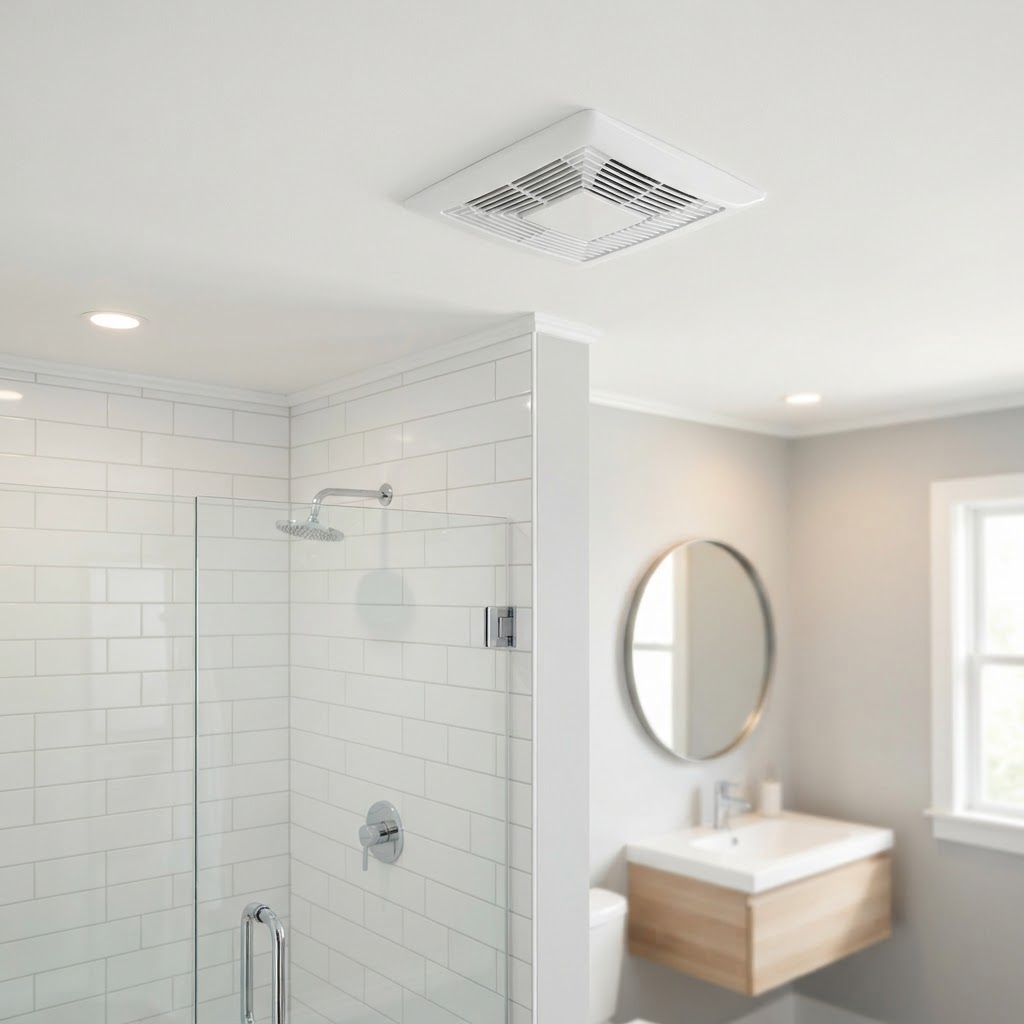
- Ensure bathroom exhaust fans vent outside (not to attics)
- Run kitchen exhaust fans while cooking
- Use AC units that properly dehumidify
- Monitor humidity with inexpensive hygrometers
Ventilate Properly
- Bathrooms: Run exhaust fans during and 30 minutes after showers
- Kitchen: Use range hoods when cooking
- Laundry: Ensure dryer vents to exterior (clean lint traps and vents annually)
- Crawl spaces: Install vapor barriers and vents or encapsulate with dehumidifier
- Attics: Ensure proper soffit and ridge ventilation
Address Leaks Immediately
- Fix plumbing leaks within 24 hours
- Dry water-damaged areas within 48 hours (mold can grow in 24-48 hours)
- Inspect under sinks, around toilets, and near appliances regularly
- Check roof and window flashing for water intrusion
- Monitor water bills for unexplained increases (hidden leak indicator)
Maintain HVAC Systems
- Replace filters monthly during peak seasons
- Clean AC condensate drain lines (clogged drains cause water backup)
- Ensure AC is properly sized (oversized units short-cycle and do not dehumidify)
- Schedule annual professional HVAC maintenance
Manage Condensation
- Insulate cold water pipes to prevent condensation
- Use storm windows or double-pane windows to reduce condensation
- Maintain consistent indoor temperature
- Add insulation to exterior walls and ceilings
High-Risk Areas to Monitor
Bathrooms
The most common site of mold growth. Check:
- Around tub and shower surrounds (grout and caulk lines)
- Behind toilets and under sinks
- Exhaust fan operation and cleanliness
- Ceiling areas above showers
Kitchens
- Under the sink (pipe leaks)
- Behind the refrigerator (water line leaks)
- Around the dishwasher
- Under the range (if it has a ventilation issue)
Laundry Rooms
- Behind the washing machine (hose leaks)
- Dryer vent connection (lint buildup causes moisture)
- Around the water heater
Windows and Doors
- Window sills (condensation)
- Around door frames (weather stripping failure)
- Sliding glass door tracks (water accumulation)
Crawl Spaces and Basements
- Inspect for standing water monthly
- Check vapor barrier integrity
- Monitor humidity levels
- Look for mold on joists and subfloor
Tenant Education
Educating tenants is one of the most effective prevention strategies:
- Provide a move-in guide explaining humidity control and ventilation
- Ask tenants to report any leaks immediately
- Explain the importance of running bathroom fans
- Provide instructions for AC thermostat settings
- Include mold prevention in the lease agreement
When to Call a Professional
Call a mold remediation professional if:
- Mold covers an area larger than 10 square feet
- Mold is in the HVAC system
- There is a musty odor but no visible mold (hidden mold)
- Water damage occurred and was not dried within 48 hours
- Tenants report health symptoms (allergic reactions, respiratory issues)
Professional mold remediation costs $500 to $6,000 depending on extent. Prevention through humidity control, ventilation, and prompt leak repair costs a fraction of that and protects your property value and tenant health.