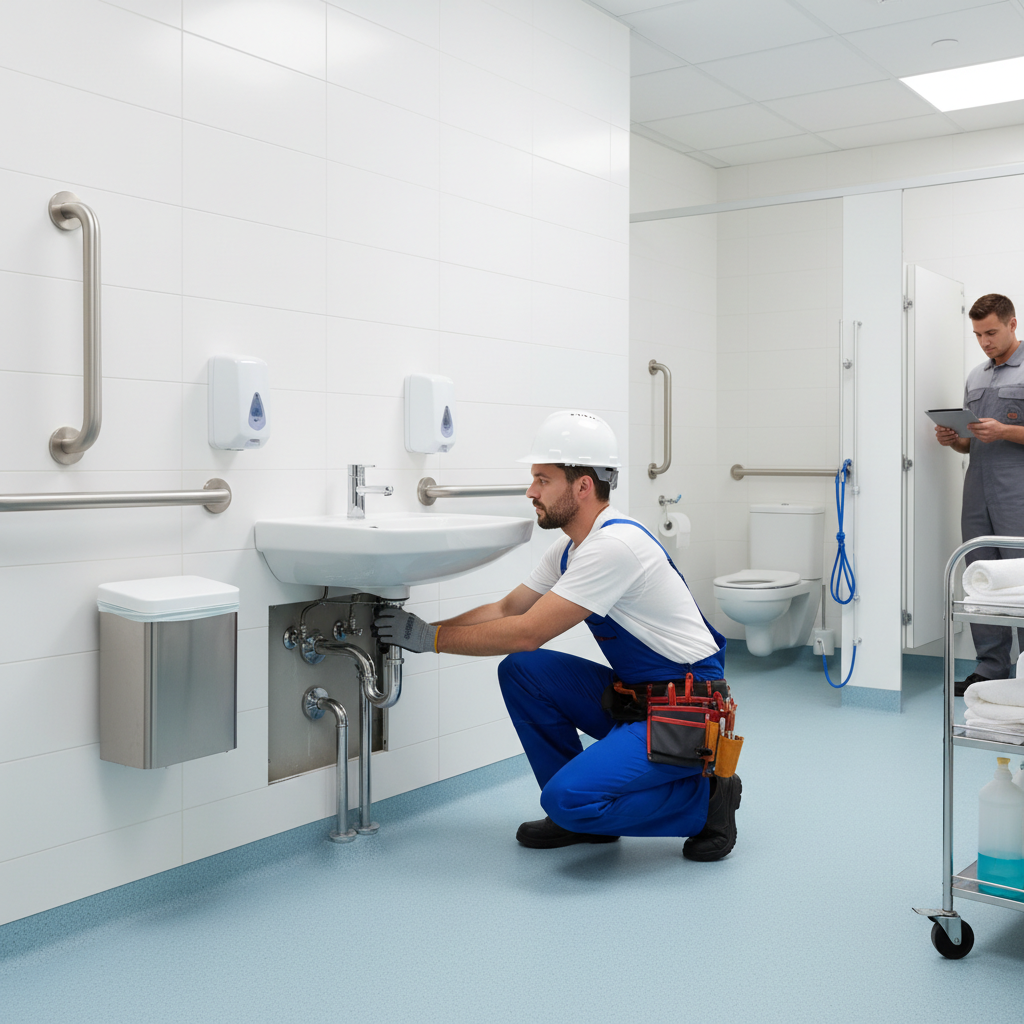
Emergency Plumbing in Healthcare Facilities: Minimizing Downtime and Infection Risk
Plumbing emergencies in healthcare facilities pose unique risks. Quick response time is critical to prevent patient safety issues, infection control breaches, and operational disruptions.
Why Quick Response is Critical
Healthcare plumbing failures can cause:
- Patient safety hazards
- Infection control violations
- Operational shutdowns
- Regulatory compliance issues
- Damage to medical equipment
- Staff and patient dissatisfaction
Common Healthcare Plumbing Problems
High-Impact Issues:
- Water contamination
- Backflow prevention failures
- Drainage system blockages
- Hot water system failures
- Medical gas line issues
- Sterile field compromises
Infection Control Compliance
Maintain compliance by:
- Regular backflow prevention testing
- Water quality monitoring
- Proper drainage maintenance
- Sterile area protection protocols
- Documentation and records
- Staff training on procedures
Prevention Strategies
- Regular inspections - Monthly backflow testing
- Preventive maintenance - Quarterly system checks
- Staff training - Proper reporting procedures
- Emergency preparedness - 24/7 vendor availability
- Documentation - Detailed maintenance records
Vendor Coordination
Select plumbing vendors with:
- Healthcare facility experience
- 24/7 emergency availability
- Licensed and certified technicians
- Insurance and bonding
- Infection control knowledge
- Regulatory compliance expertise
Downtime Minimization
Reduce service interruptions:
- Pre-plan emergency procedures
- Maintain spare equipment
- Train staff on manual procedures
- Coordinate with medical staff
- Document all incidents
- Conduct post-incident reviews
Conclusion
Emergency plumbing response in healthcare requires specialized knowledge and rapid action. Establish relationships with qualified vendors and maintain comprehensive preventive maintenance to protect patient safety and facility operations.