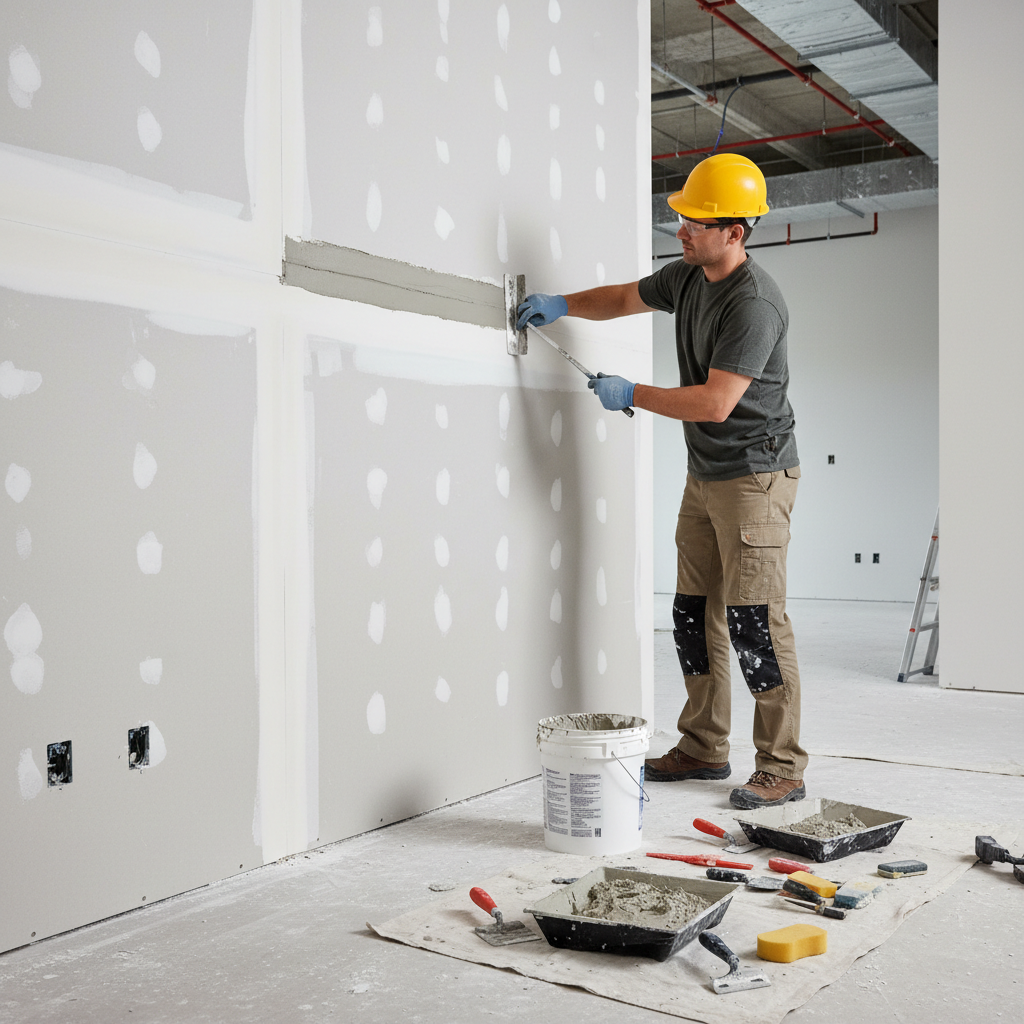
Drywall Repair Best Practices for Property Managers: Cost-Effective Solutions
Drywall damage is one of the most frequent maintenance issues in commercial and multifamily properties. Proper repair techniques prevent recurring problems, maintain professional appearance, and reduce long-term maintenance costs.
Common Causes of Drywall Damage
Tenant-Related:
- Doorknob impacts and furniture scratches
- Hanging modifications and anchor holes
- Moving damage to corners and edges
Environmental:
- Settling cracks and structural movement
- Water damage from leaks and humidity
- Temperature fluctuations causing joint cracks
- Mold and moisture damage
Wear and Tear:
- Corner bead damage in high-traffic areas
- Screw pops and nail head impressions
- Joint compound cracking at seams
- Surface scuffs and abrasions
Repair Techniques by Damage Type
Small Holes (Under 2 inches)
- Clean and square the hole edges
- Apply mesh or paper tape patch
- Layer joint compound in thin coats
- Sand smooth and prime before painting
Medium Holes (2-6 inches)
- Cut clean rectangular opening
- Install backing strip or California patch
- Apply joint compound in 3 coats
- Feather edges for seamless blend
Large Holes (Over 6 inches)
- Cut to studs and install new drywall piece
- Tape and mud all seams
- Multiple compound coats with drying time
- Professional finish recommended
Water-Damaged Drywall
- Identify and fix water source first
- Cut out damaged area beyond visible stains
- Check for mold growth behind walls
- Replace with moisture-resistant dryboard
- Prime with stain-blocking primer
Cracks
- Widen crack with utility knife
- Remove loose material
- Apply mesh tape over crack
- Use setting-type compound for durability
- Sand and finish to match surrounding surface
When to Hire Professionals
Call professional drywall contractors for:
- Damage exceeding 12 inches
- Water damage with potential mold
- Structural or repeating cracks
- Textured finishes requiring matching
- Large-scale turnover renovations
- Insurance-documented repairs
Cost Considerations
DIY Small Repairs:
- Materials: $15-$30 per repair
- Time: 30-60 minutes per repair
- Best for: small holes, minor cracks
Professional Services:
- Small repairs: $75-$200 per hole
- Medium repairs: $150-$400 per hole
- Large repairs: $300-$800 per section
- Full room refinishing: $400-$1,200
Preventive Measures
Reduce future drywall damage:
- Install door stops and kick plates
- Add corner guards in hallways
- Use moisture-resistant drywall in wet areas
- Train maintenance staff on proper repair techniques
- Document damage at move-in and move-out
- Address water leaks immediately
Quality Standards
Ensure lasting repairs:
- Always prime repaired areas before painting
- Match existing texture and finish
- Use appropriate compound type (setting vs. drying)
- Allow proper drying time between coats
- Sand progressively finer for smooth finish
- Paint entire wall section for color consistency
Conclusion
Proper drywall repair maintains property appearance, prevents recurring damage, and reduces maintenance costs. Train staff on basic techniques, establish clear repair standards, and partner with professional contractors for complex repairs to ensure quality results.