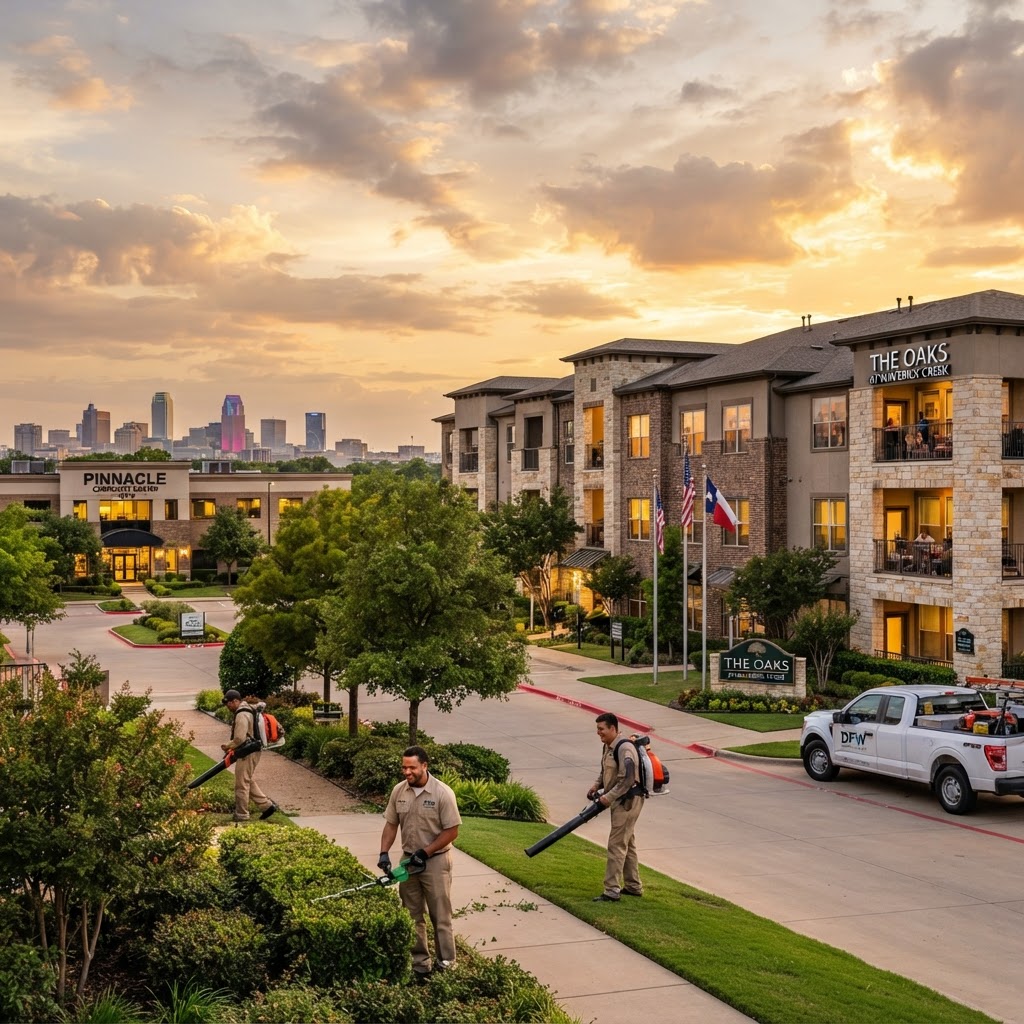
Dallas-Fort Worth Commercial Property Maintenance Guide
The Dallas-Fort Worth metroplex is one of the fastest-growing commercial real estate markets in the United States. With over 8 million residents and continuous corporate relocations, DFW's commercial property stock is expanding rapidly. But the region's extreme climate and severe weather create maintenance challenges that property managers must understand.
DFW Climate Challenges
Extreme Temperature Swings
DFW experiences some of the most extreme temperature swings in the country. Summers regularly exceed 100 degrees for weeks at a time, while winter can bring ice storms and temperatures below freezing. This thermal cycling stresses building materials, HVAC systems, and plumbing.
Maintenance priorities:
- HVAC systems must handle extreme cooling loads (design for 105+ degrees)
- Plumbing needs freeze protection for winter cold snaps
- Building materials must withstand thermal expansion and contraction
- Roofing must handle intense UV exposure and hail
Severe Weather
DFW is located in Tornado Alley and experiences:
- Tornadoes (spring and early summer)
- Severe thunderstorms with large hail
- Ice storms (winter) that paralyze the region
- Flash flooding from heavy thunderstorms
Properties need:
- Impact-resistant roofing (hail causes billions in damage annually in Texas)
- Proper drainage for flash flood events
- Emergency power backup
- Storm response plans
Clay Soil
Much of DFW sits on expansive clay soil (the Blackland Prairie). This soil expands dramatically when wet and contracts when dry, causing foundation movement that affects the entire building.
Foundation-related issues:
- Cracks in exterior walls and brick veneer
- Doors and windows that stick
- Uneven floors
- Plumbing leaks from shifted pipes
Properties need foundation watering programs (yes, watering the foundation during dry periods), proper drainage, and regular foundation inspections.
DFW Commercial Maintenance Priorities
Roof Maintenance and Hail Damage
DFW has more hail damage claims than almost anywhere in the US. Commercial flat roofs and metal roofs need:
- Annual inspections minimum, preferably after every major hail event
- Impact-resistant roofing materials (TPO, modified bitumen, or metal)
- Regular membrane repair and seam inspection
- Proper drainage for flat roofs during heavy rain
HVAC Systems
DFW cooling loads are among the highest in the country. Commercial HVAC systems must be:
- Properly sized for 105+ degree design temperatures
- Maintained twice annually (spring and fall)
- Equipped with surge protection for electrical storms
- Backup-capable for power outages
Parking Lot Maintenance
DFW's extreme heat and clay soil cause parking lots to deteriorate rapidly. Maintenance includes:
- Annual crack sealing
- Sealcoating every 2-3 years
- Regular striping
- Drainage maintenance
- Foundation repair for settling areas
Plumbing and Freeze Protection
While DFW is hot most of the year, winter cold snaps can cause pipe bursts. Properties need:
- Insulated exposed pipes
- Backflow preventer insulation
- Emergency shut-off procedures
- Faucet drip protocols during freezes
DFW Market Considerations
Rapid Growth and Construction Demand
DFW's booming economy means contractors are in extremely high demand. Maintenance and repair projects often face delays and premium pricing. Property managers need:
- Pre-established vendor relationships
- Longer lead times for major projects
- Premium budgeting for contractor availability
Code Requirements
- Texas has no statewide building code; cities adopt their own
- Dallas and Fort Worth have different code requirements
- Suburban cities (Plano, Frisco, Irving, Arlington) may have additional requirements
- Permits are required for most commercial maintenance work
Water Restrictions
DFW frequently implements water restrictions during drought. Landscape maintenance must comply with watering schedules and use drought-tolerant plants.
DFW Seasonal Calendar
- Spring: HVAC tune-up, roof inspection, storm prep, landscape installation
- Summer: HVAC filter changes, irrigation management, pest control
- Fall: HVAC switch to heating, gutter cleaning, weatherization
- Winter: Freeze protection, pipe insulation, ice storm prep, emergency planning