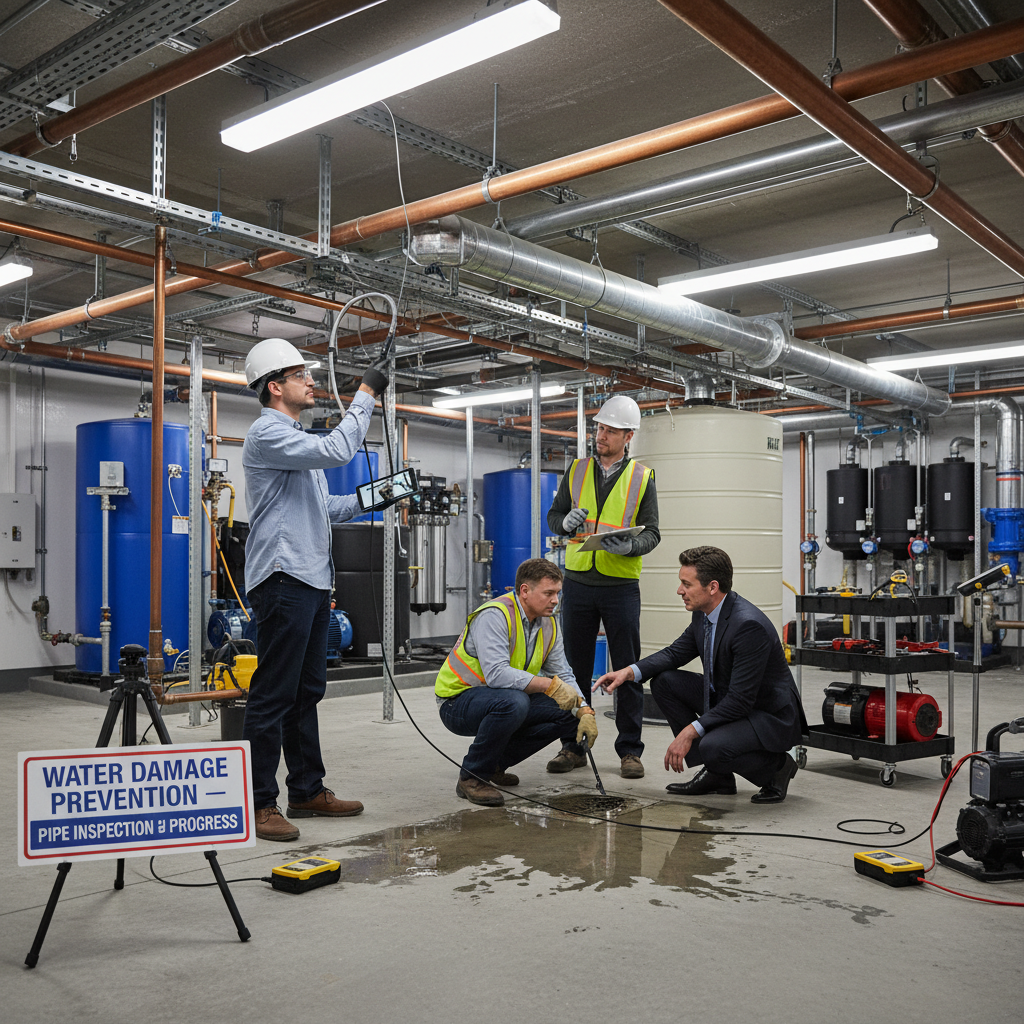
Commercial Plumbing Maintenance Guide: Preventing Costly Water Damage and System Failures
Plumbing failures are among the most expensive and disruptive maintenance issues in commercial properties. A single undetected leak can cause $50,000-$100,000+ in water damage, mold remediation, and business interruption. This guide covers preventive maintenance, common issues, and cost-saving strategies for commercial plumbing systems.
The Hidden Cost of Plumbing Neglect
Commercial plumbing systems operate under constant use, with hundreds or thousands of daily users depending on the building type. Without preventive maintenance:
- Small leaks escalate into major water damage
- Pipe corrosion causes catastrophic failures
- Drain blockages result in sewage backups
- Water heaters fail without warning
- Hidden leaks waste thousands of gallons annually
Average costs of plumbing failures:
- Undetected slab leak: $15,000-$75,000
- Burst pipe water damage: $10,000-$50,000 per incident
- Sewage backup cleanup: $5,000-$25,000
- Water heater failure and replacement: $3,000-$12,000
- Mold remediation from leaks: $10,000-$30,000
Commercial Plumbing Maintenance Schedule
Monthly
- Inspect visible pipes for leaks, corrosion, and condensation
- Check water pressure at multiple points (should be 40-80 psi)
- Test sump pumps and backup systems
- Inspect water heater for unusual sounds or leaks
- Clear floor drains of debris
- Check backflow prevention devices
Quarterly
- Inspect and clean drain strainers and traps
- Test water heater temperature and pressure relief valve
- Inspect exposed supply lines and fittings
- Check toilet flush mechanisms and fill valves
- Inspect commercial kitchen grease traps
- Test emergency shut-off valves for proper operation
Semi-Annually
- Professional drain line camera inspection (rotating areas)
- Inspect and service water softeners and filtration systems
- Check thermal expansion tanks on water heaters
- Inspect roof drainage and scupper systems
- Test backflow preventers and RPZ valves
- Inspect commercial dishwasher and ice machine connections
Annually
- Complete building plumbing inspection with leak detection
- Water heater anode rod inspection and replacement
- Pressure-reducing valve service and calibration
- Full drain line hydro-jetting or snaking
- Hidden leak detection using thermal imaging
- Water quality testing (lead, bacteria, Legionella)
Common Commercial Plumbing Issues
1. Hidden Leaks
Slow leaks behind walls, under slabs, or in ceilings can run for months before detection. Signs include unexplained increases in water bills, damp spots, musty odors, and mold growth.
Detection methods:
- Thermal imaging cameras
- Acoustic leak detection equipment
- Smart water monitoring systems
- Regular meter reading comparisons
2. Pipe Corrosion and Scaling
Older galvanized steel and copper pipes corrode over time, especially in areas with hard or acidic water. Corrosion reduces flow, causes leaks, and can contaminate water supply.
3. Drain Line Blockages
Commercial buildings generate significant waste. Kitchen grease, hair, soap scum, and mineral deposits accumulate in drain lines. Regular hydro-jetting prevents costly backups.
4. Water Heater Failures
Commercial water heaters work harder and fail more frequently than residential units. Sediment buildup, anode rod depletion, and T&P valve failures are common issues.
5. Backflow Contamination
Failed backflow preventers can allow contaminated water to flow back into the building's supply, creating serious health risks and compliance violations.
Water Conservation Strategies
Commercial buildings can reduce water consumption by 20-30% with these upgrades:
- Low-flow fixtures — 30-50% reduction in fixture water use
- Dual-flush toilets — 20-30% reduction in toilet water use
- Smart irrigation controllers — 15-25% reduction in landscape water
- Leak detection systems — Prevent thousands in waste
- Greywater recycling — Reuse sink water for irrigation
- Tankless water heaters — Eliminate standby water heating losses
Emergency Preparedness
Every commercial property should have:
- Clearly labeled water shut-off valves with accessible handles
- Emergency plumber contact information posted
- Water damage response kit (wet vac, fans, towels)
- Smart leak detection sensors in high-risk areas
- Regular staff training on emergency shut-off procedures
- Insurance documentation of maintenance records
Vendor Selection for Commercial Plumbing
Choose plumbing vendors with:
- Commercial plumbing experience (not residential-only)
- Proper licensing and insurance
- 24/7 emergency response capability
- Leak detection and thermal imaging equipment
- Backflow testing certification
- Video pipe inspection capabilities
- Preventive maintenance contract options
- Detailed inspection reporting
Regulatory Compliance
Commercial plumbing must comply with:
- Local building codes and permit requirements
- ADA accessibility standards for restrooms
- EPA water conservation standards
- Backflow prevention regulations
- Legionella prevention guidelines (ASHRAE 188)
- Local health department requirements
Conclusion
Commercial plumbing preventive maintenance is essential for preventing costly water damage, reducing water waste, and ensuring system reliability. A structured maintenance program, combined with modern leak detection technology and water conservation upgrades, protects your property investment and reduces operating costs significantly.