Choosing Commercial Flooring for High-Traffic Areas: Durability and Cost Guide
Selecting the right commercial flooring for high-traffic areas is a critical decision that impacts maintenance costs, safety, and tenant satisfaction for years. Understanding material options, durability ratings, and lifecycle costs helps property managers make informed choices.
Key Factors in Commercial Flooring Selection
Traffic Volume:
- Light traffic (offices, conference rooms)
- Medium traffic (corridors, common areas)
- Heavy traffic (entrances, retail, lobbies)
- Extreme traffic (warehouses, industrial)
Environmental Conditions:
- Moisture exposure (entryways, restrooms)
- Temperature fluctuations
- Chemical exposure (cleaning, industrial)
- UV exposure (windows, skylights)
Budget Considerations:
- Initial material cost
- Installation complexity
- Maintenance requirements
- Expected lifespan
- Replacement disruption
Commercial Flooring Material Comparison
Luxury Vinyl Tile (LVT)
- Durability: High - 15-25 year lifespan
- Cost: $4-$12 per sq ft installed
- Best for: Offices, retail, healthcare, corridors
- Pros: Waterproof, scratch-resistant, realistic wood/stone looks
- Cons: Can dent under heavy point loads
- Maintenance: Low - routine sweeping and damp mopping
Porcelain Tile
- Durability: Very High - 25-50+ year lifespan
- Cost: $8-$20 per sq ft installed
- Best for: Entrances, restrooms, lobbies, food service
- Pros: Extremely durable, water-resistant, wide design options
- Cons: Hard surface, cold, can crack under impact
- Maintenance: Low - grout cleaning required periodically
Commercial Carpet Tile
- Durability: Medium - 10-15 year lifespan
- Cost: $3-$8 per sq ft installed
- Best for: Offices, conference rooms, hospitality
- Pros: Acoustic benefits, easy tile replacement, warmth
- Cons: Stains, moisture absorption, shorter lifespan
- Maintenance: Medium - regular vacuuming, periodic deep cleaning
Polished Concrete
- Durability: Very High - 20-30+ year lifespan
- Cost: $5-$15 per sq ft installed
- Best for: Retail, industrial, warehouses, modern offices
- Pros: Extremely durable, low maintenance, design flexibility
- Cons: Hard surface, can be slippery, noise reflection
- Maintenance: Very Low - periodic resealing
Epoxy Flooring
- Durability: High - 15-20 year lifespan
- Cost: $4-$12 per sq ft installed
- Best for: Industrial, healthcare, garages, food service
- Pros: Seamless, chemical-resistant, hygienic
- Cons: Requires proper substrate, UV yellowing
- Maintenance: Low - easy cleaning
Rubber Flooring
- Durability: High - 15-20 year lifespan
- Cost: $6-$15 per sq ft installed
- Best for: Gyms, healthcare, education, stairwells
- Pros: Slip-resistant, shock-absorbing, acoustic benefits
- Cons: Limited design options, can mark
- Maintenance: Low - routine cleaning
Lifecycle Cost Analysis
Consider total cost of ownership, not just initial price:
| Material | Initial Cost | 20-Year Maintenance | Replacement Cycles | Total 20-Year Cost | |---------|-------------|---------------------|-------------------|-------------------| | LVT | $8/sq ft | $3/sq ft | 0 | $11/sq ft | | Porcelain | $14/sq ft | $2/sq ft | 0 | $16/sq ft | | Carpet Tile | $5/sq ft | $8/sq ft | 1 | $18/sq ft | | Polished Concrete | $10/sq ft | $1/sq ft | 0 | $11/sq ft |
Safety Considerations
- Slip resistance: DCOF rating of 0.42+ for level surfaces
- Fire rating: Class A fire spread rating required
- VOC emissions: Low-emitting products for indoor air quality
- Accessibility: Smooth transitions, no tripping hazards
- ADA compliance: Maximum 1/4 inch height changes
Installation Best Practices
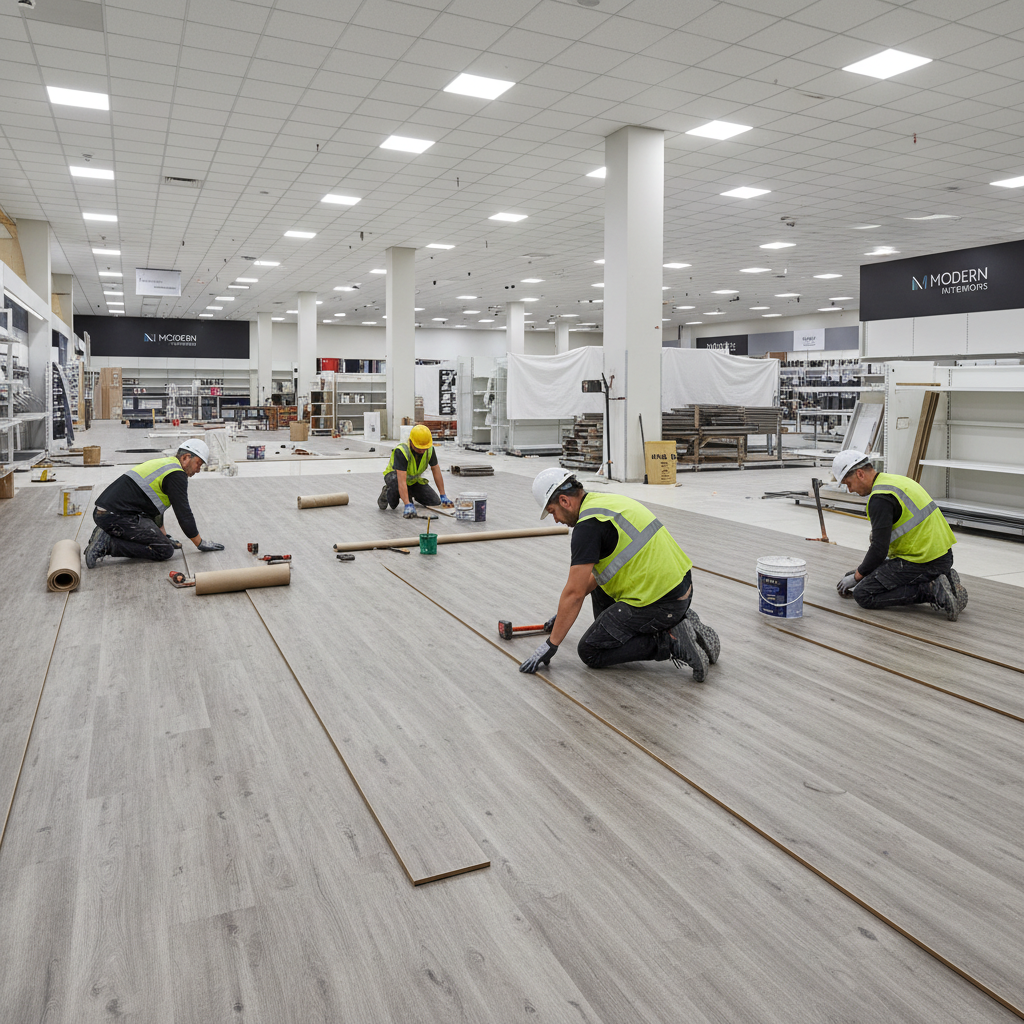
- Ensure proper subfloor preparation
- Allow acclimation time for materials
- Schedule during low-traffic periods
- Use experienced commercial installers
- Plan expansion joints for large areas
- Verify moisture testing for concrete slabs
- Document warranty and maintenance requirements
Maintenance Programs
Extend flooring lifespan with proper care:
- Daily cleaning protocols
- Entrance matting to reduce dirt
- Furniture floor protectors
- Prompt spill cleanup
- Periodic deep cleaning
- Annual professional assessment
- Repair damaged areas immediately
Conclusion
Choosing the right commercial flooring for high-traffic areas requires balancing durability, cost, aesthetics, and maintenance requirements. Consider lifecycle costs rather than just initial price, select materials appropriate for the traffic level, and implement proper maintenance programs to maximize your flooring investment.